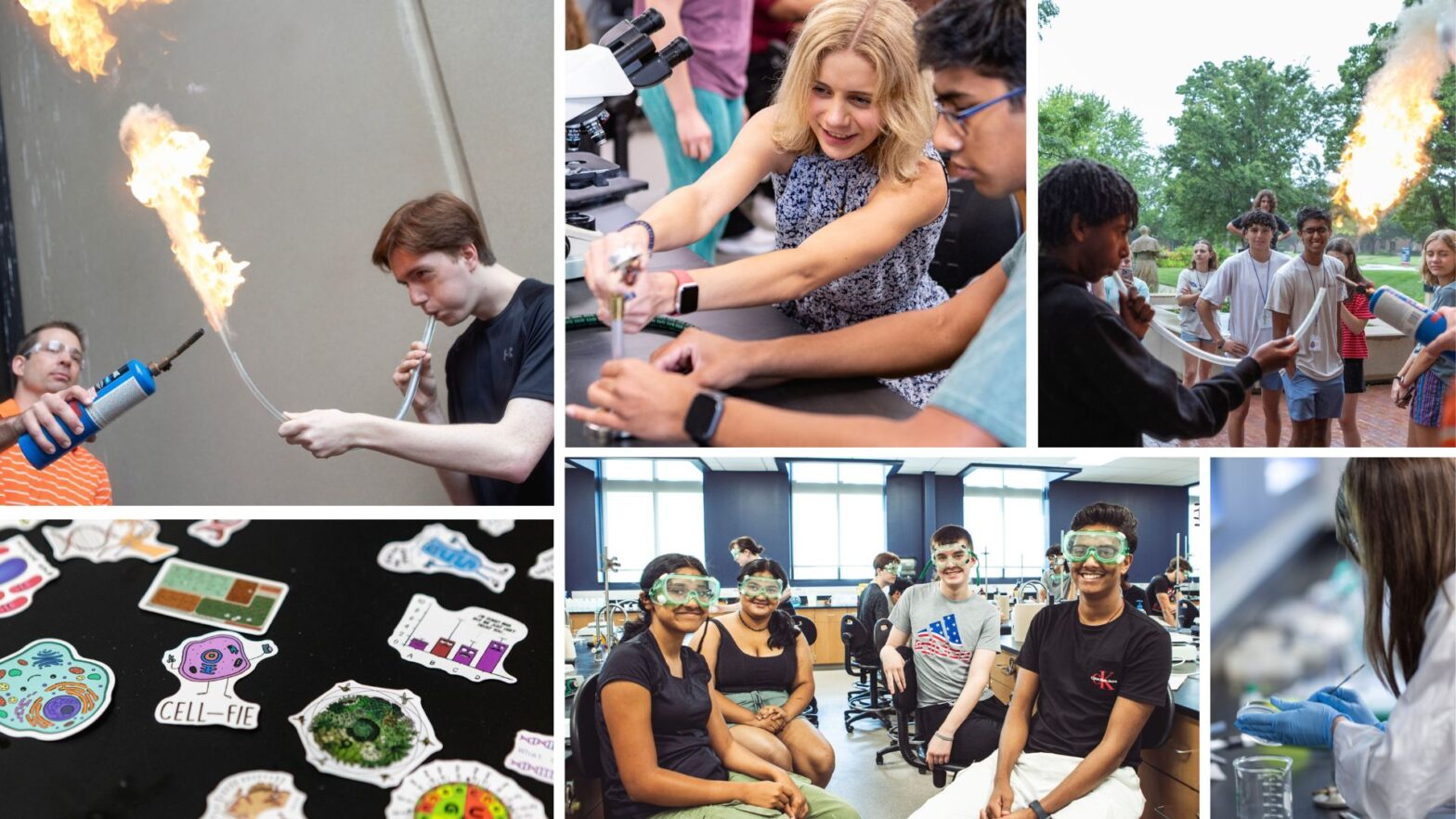
With eyes turned to the stars at Lake Afton Public Observatory, high school students launched into a weeklong scientific adventure during Newman University’s 2025 Investigative Summer STEM Program (ISSP), held June 8-13.
The overnight program brought teens together for a hands-on approach to STEM research, campus life and college-level collaboration.

Student takeaways
Returning participant Maddie Clark, a junior from Goddard High School, said she enjoyed ISSP so much last year that she signed up again this year.
“It’s a really cool experience because you get to branch out and try a bunch of different things,” she said. “We do chemistry, biology, engineering and a lot of social activities. You meet a lot of people and do things that you wouldn’t get to do normally in a high school setting.”
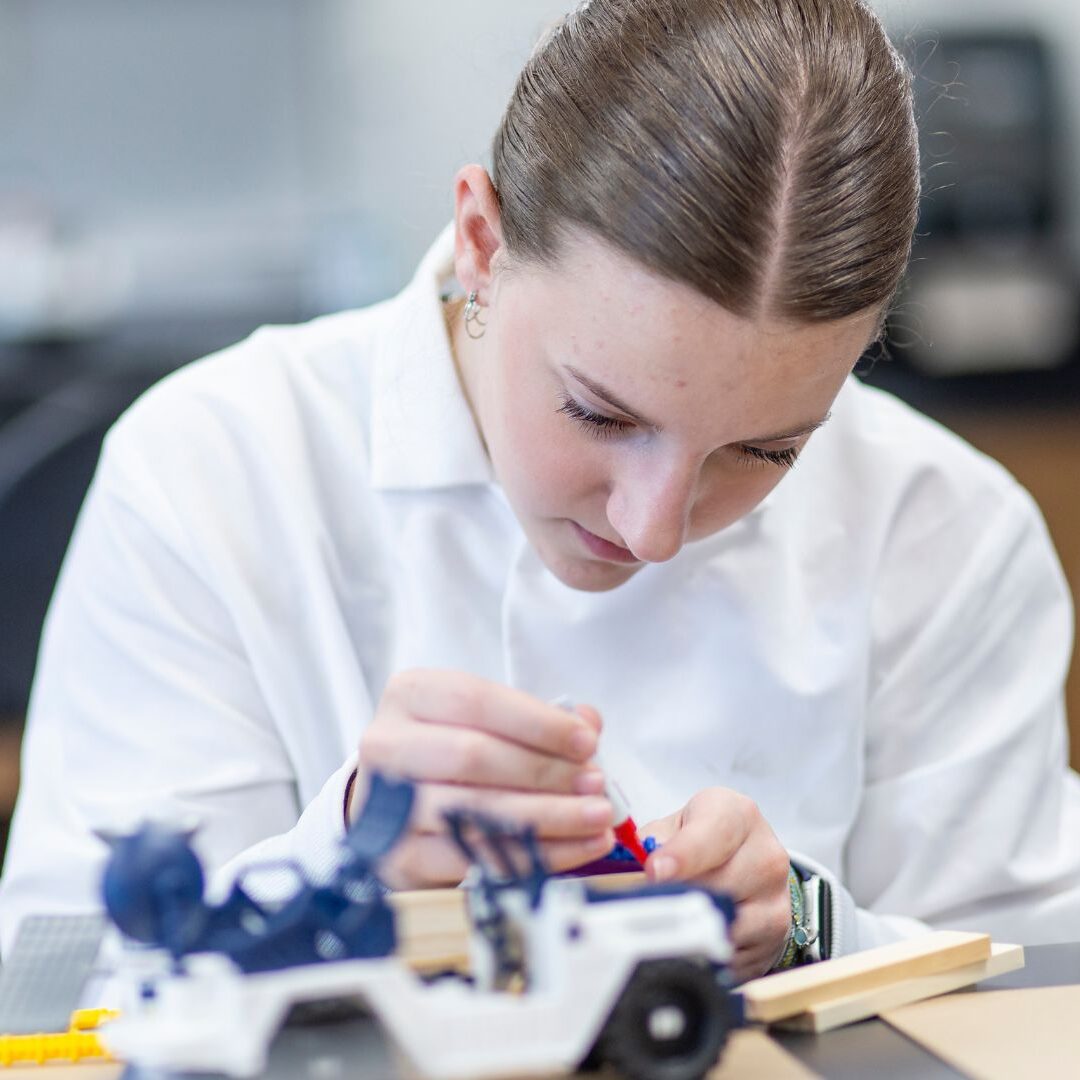
ISSP students selected one interdisciplinary research project to focus on during the week. They then worked in small teams in the state-of-the-art Bishop Gerber Science Center to review scientific literature, conduct experiments and analyze data. By Friday, each group delivered a final presentation before peers and faculty and celebrated with dinner and an awards ceremony on campus.
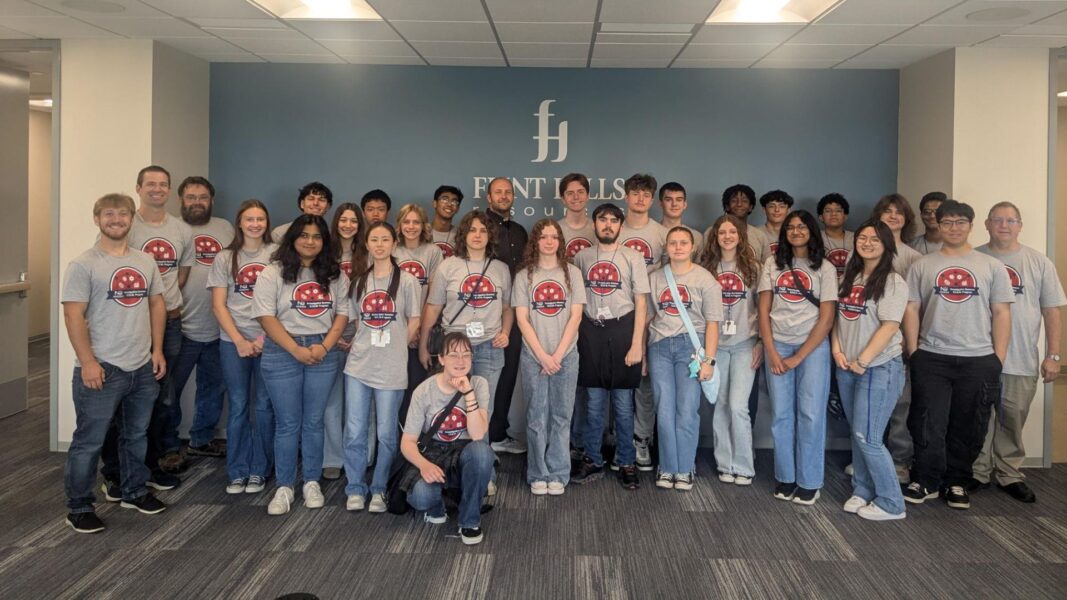
Throughout the week, students heard from guest speakers, visited Koch Industries’ Flint Hills Resources technical center and unwound at local attractions like All Star Sports and Bowlero Wichita. They stayed overnight in Newman residence halls and bonded with peers through meals, movie nights and team-building games. Students also visited the Great Plains Nature Center.
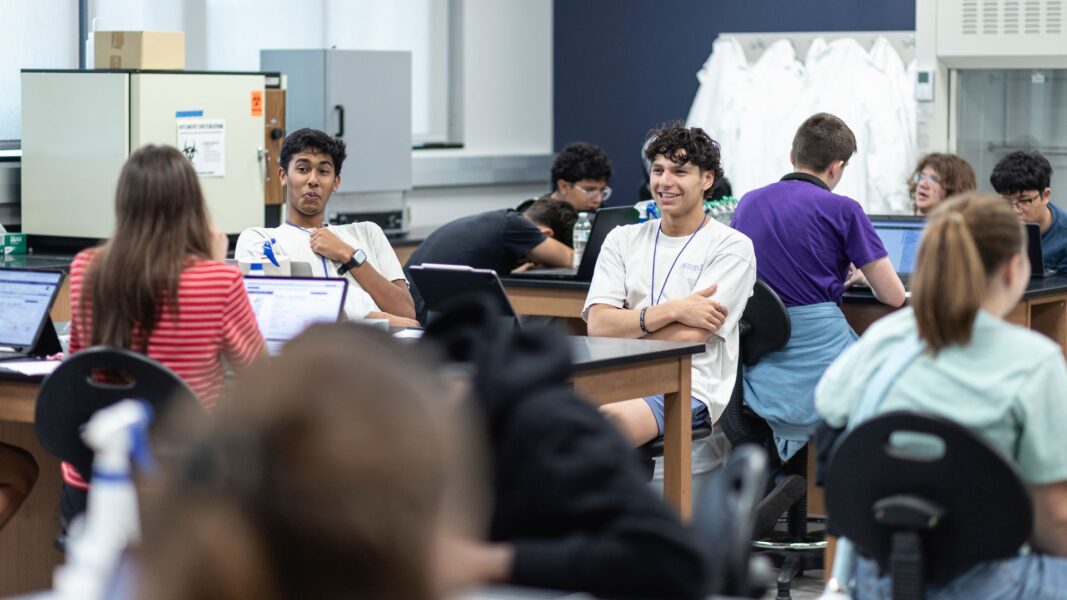
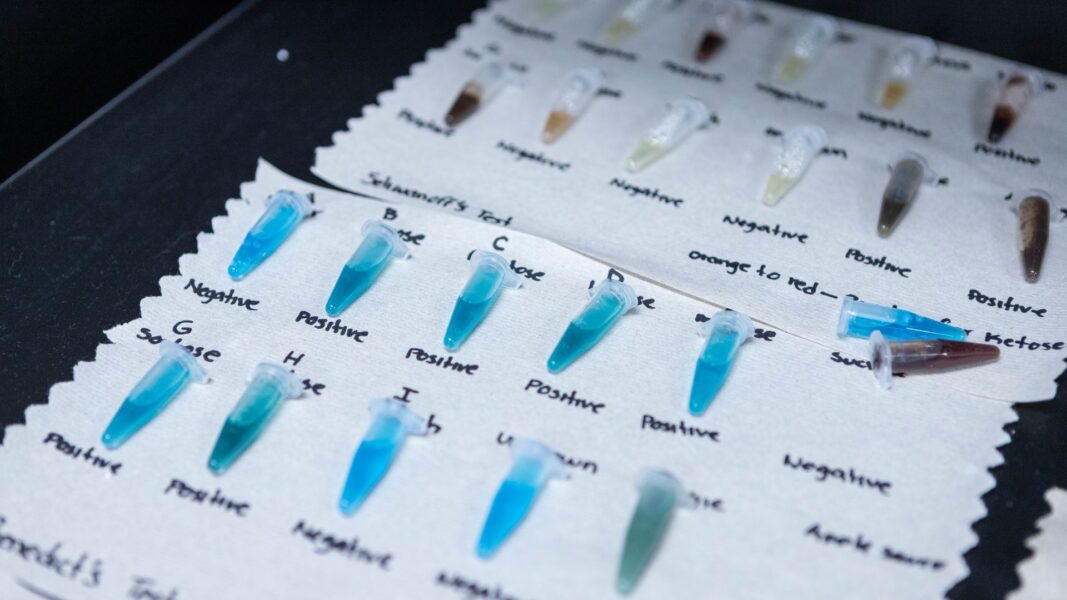
Faculty mentors guided students through topics that included thermodynamics, synthetic flavor chemistry and DNA extraction. The featured faculty members were Assistant Professor of Biology Tomoko Bell, Assistant Professor of Biology Daryl Goad, Assistant Professor of Biology Fariha Tanveer, Associate Professor of Chemistry Alan Oberley and Michael Sullenger.
“The professors are all amazing and I love them all so much,” Clark added. “They’re helpful and make sure we’re going at a pace that high schoolers can understand.”
The 2025 ISSP was generously sponsored by the Berry Foundation.
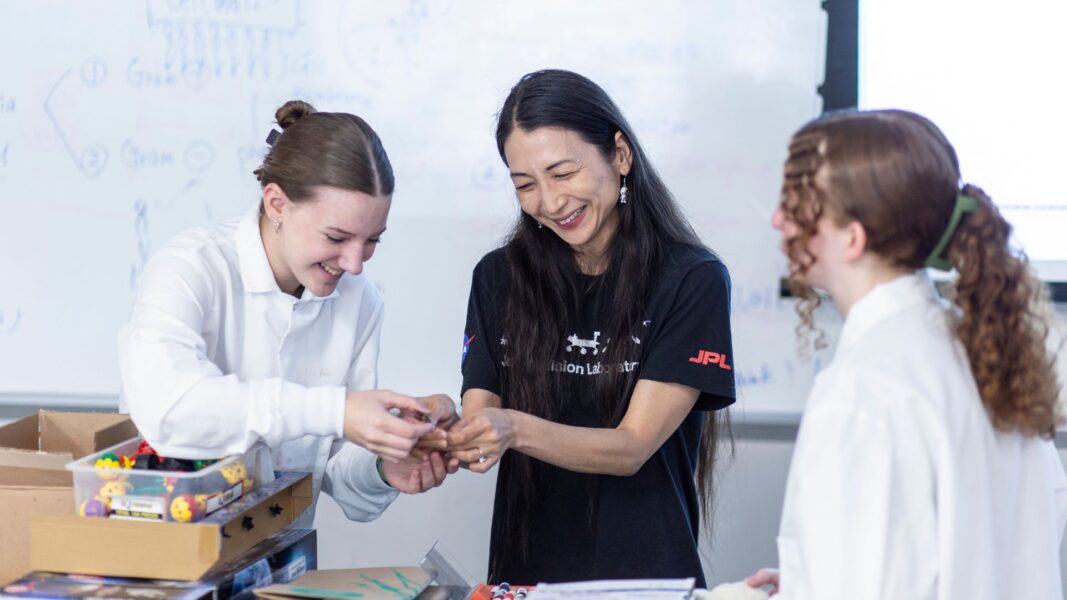
Diving into STEM through research projects
Clark participated in a project called SpaceCat, which focused on building a livable environment on Mars.
“We researched Mars’ natural resources and what we’d need to send humans to live on Mars,” she said. “We researched, built and designed a house in a cave. We also bio-engineered several different systems for using things that NASA does.”
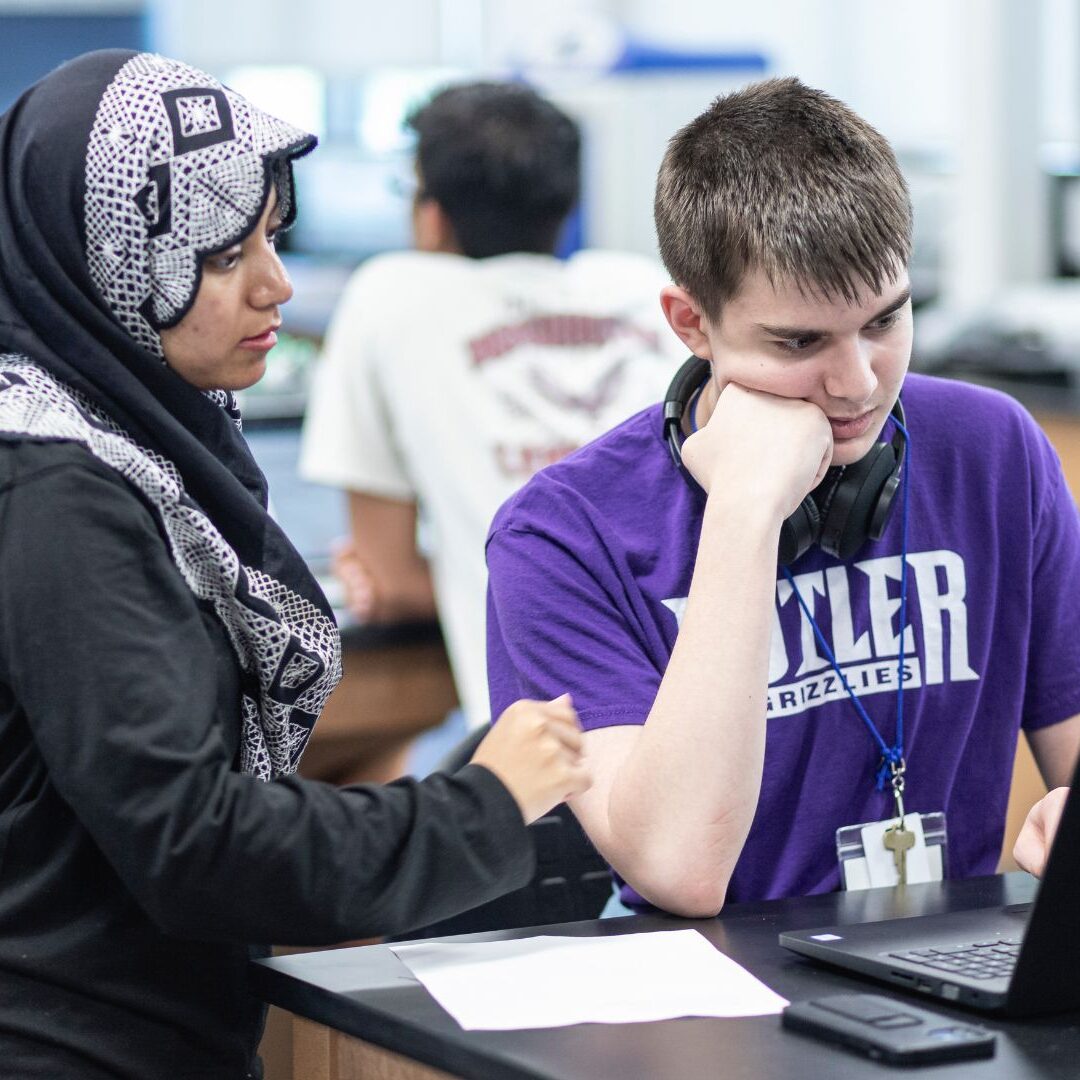
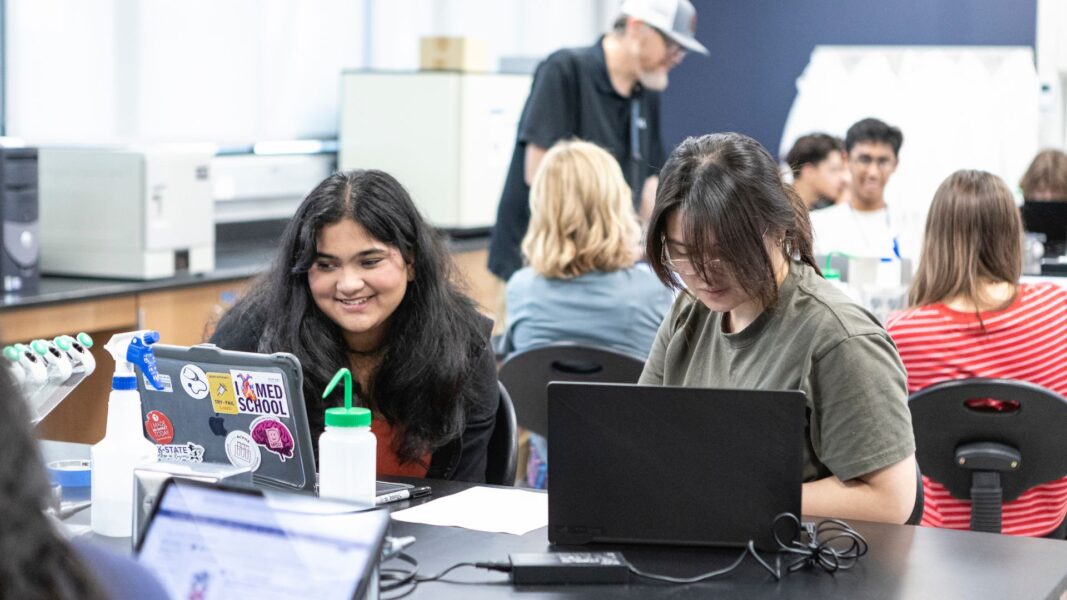
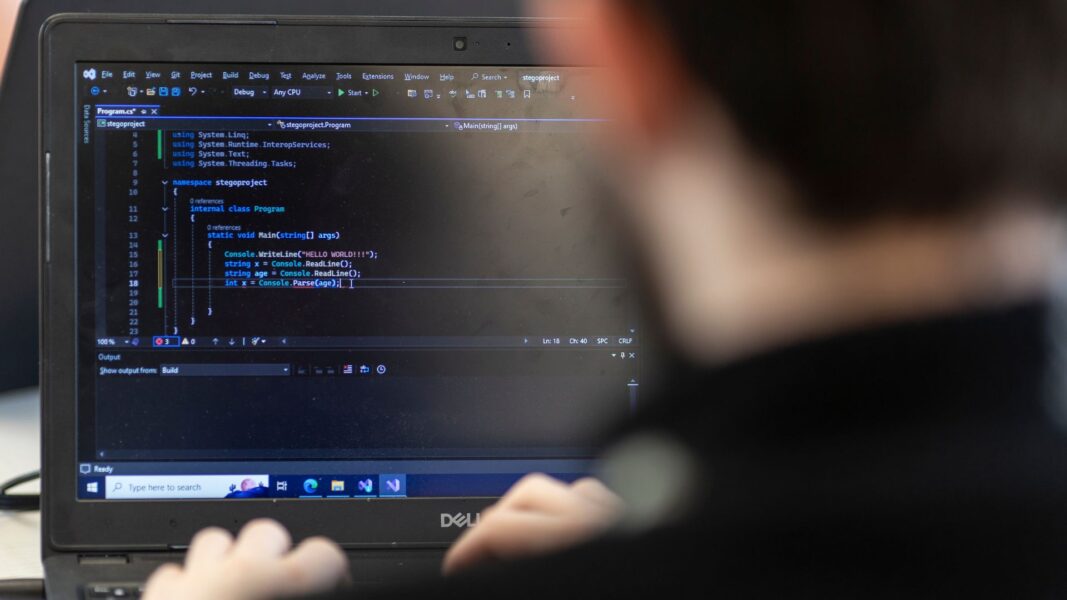
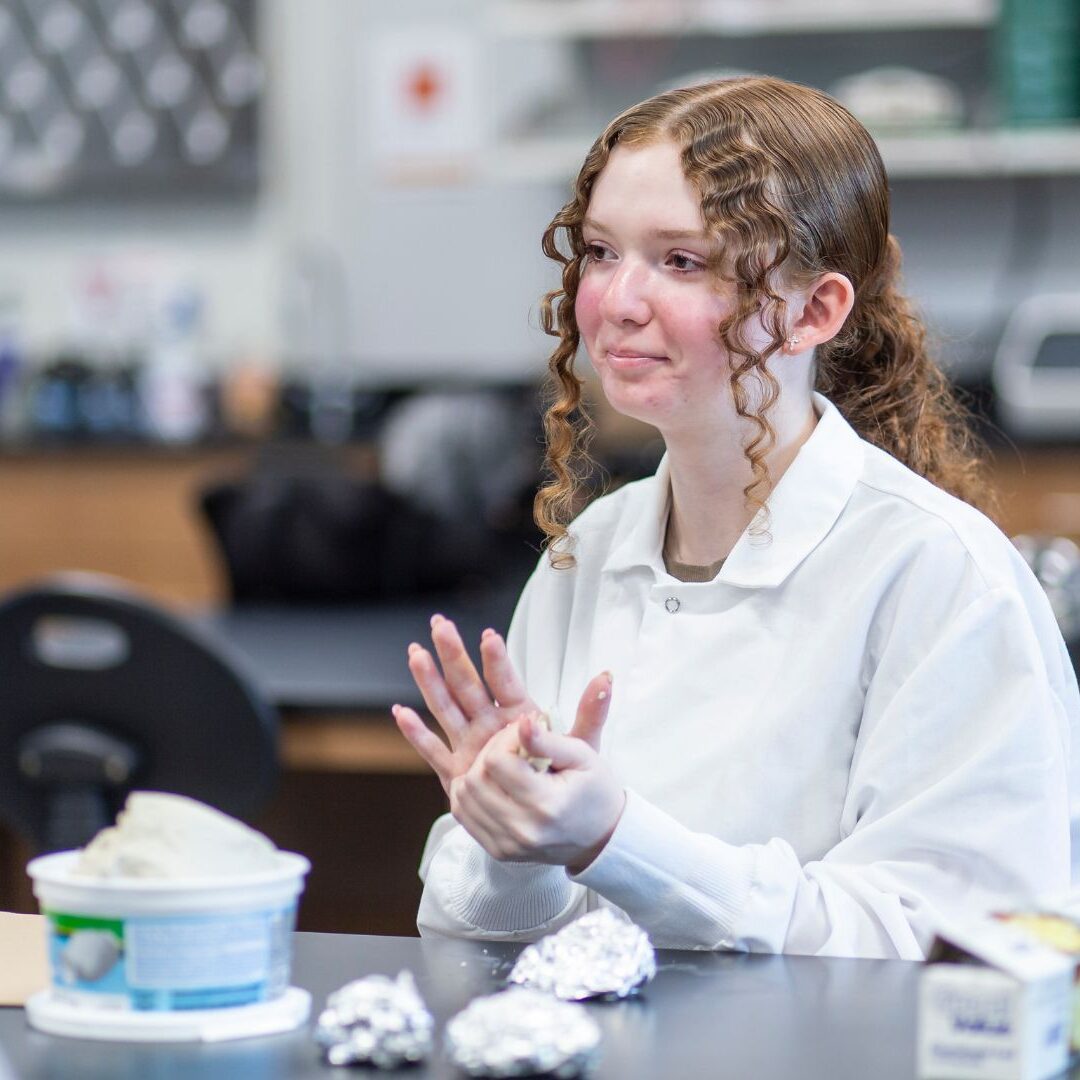
Goddard sophomore Claudia Meng attended ISSP for the first time this year after Clark highly recommended the experience.
“It’s been really good in helping me break down these big, hard tasks and not being so anxious about it,” Meng said. “ISSP has also been really good for time management, living with other kids and being on your own for six days. Even though doing all this college research and big project is serious, it’s also lighthearted and so much fun all the time.”
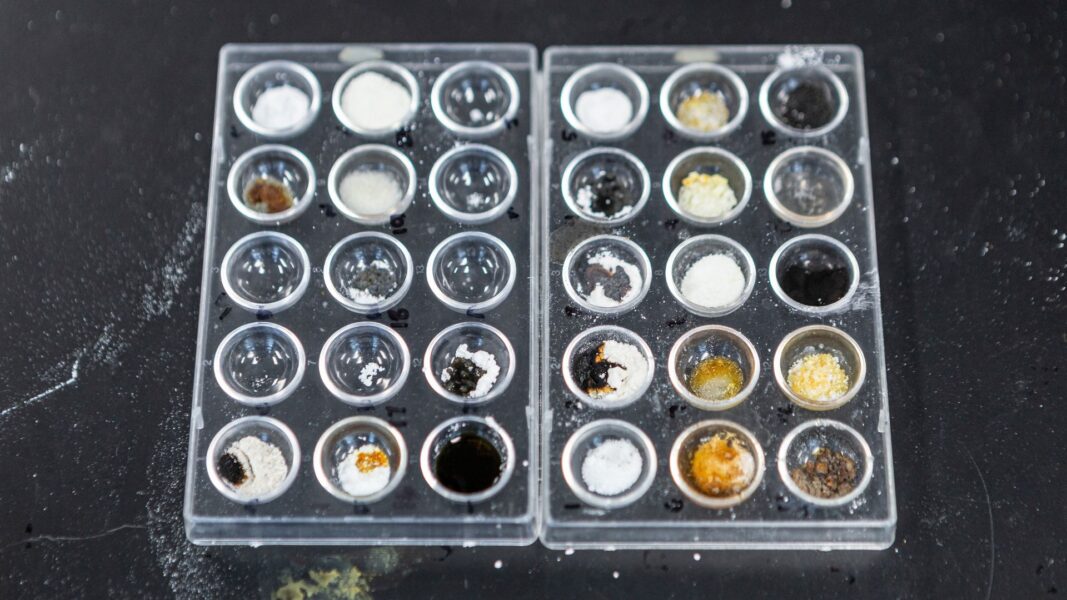
Meng participated in a forensics-themed project.
“We have various household items, like colorless white powders, and do flame tests or IRR (inter-rater reliability) tests,” she said. “The goal is to see if we could identify a nameless powder through the process of elimination.”
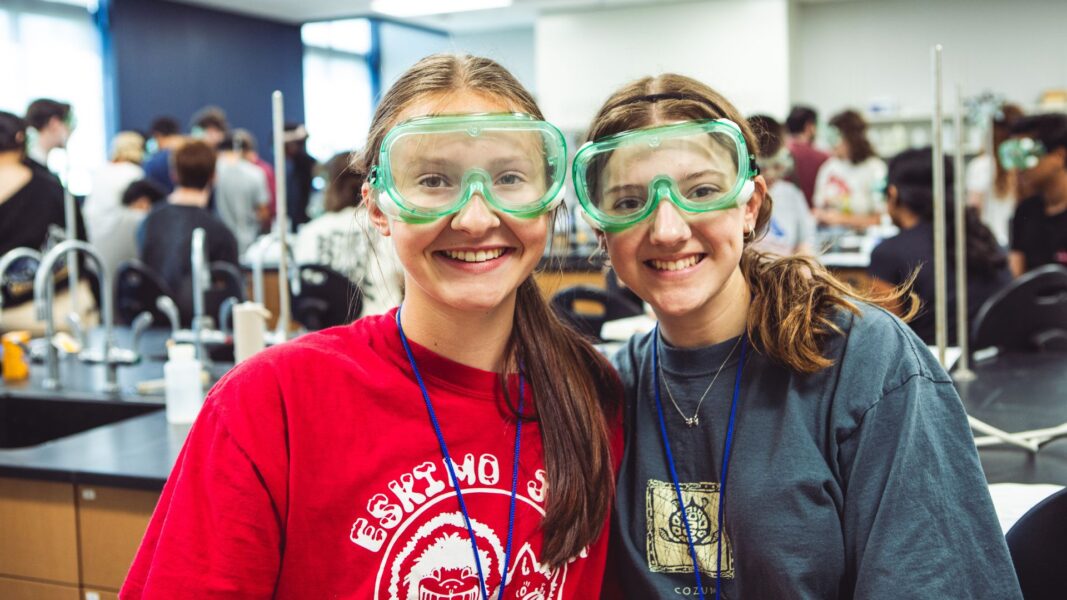
Though both students are still exploring career options, they said ISSP is helping them think more clearly about next steps.
“Personally, I am considering being a pediatrician,” said Clark. “So this is a fun little gateway into a lot of the science things for me.”
Clark’s biggest advice for fellow high schoolers is to “just go for it.”
“ISSP is not just for people with science skills,” she said. “You practice math skills, English skills, social skills. It’s just a really great experience overall.”
Future STEM opportunity for high schoolers
Each spring, Newman University hosts the Newman STEM Exploration Program. This 8-week after-school program also includes two hours of college credit. Limited spots are available, so stay tuned for more information about the spring 2026 program.