Thinking about becoming a respiratory therapist but not sure where to start? Newman University’s program gets you working in just 16 months at $30/hour—but there’s a catch: only 20 spots open each year, and the application window is surprisingly narrow.
Key Takeaways
- Newman University’s Associate’s Degree in Respiratory Care takes just three semesters to complete, with graduates typically starting around $30 per hour immediately after graduation
- The program accepts only 20 students annually through a February to April application window, requiring specific prerequisite coursework before entry
- Students must pass the NBRC exam to earn their Registered Respiratory Therapist (RRT) credential and obtain state licensing
- Most Newman graduates find employment at their clinical affiliate hospitals before graduation
- Financial aid options include the Kansas Promise Scholarship and hospital sign-on bonuses
Respiratory therapists are specialized healthcare professionals who manage life-support equipment and treat patients with cardiopulmonary diseases. With a projected 12% job growth through 2034 and competitive starting salaries, this healthcare career offers both stability and the opportunity to make a real difference in patients’ lives from newborns to elderly populations.
Starting Around $30/Hour After Associate’s Degree Program
One of the most attractive aspects of becoming a respiratory therapist is the earning potential right after graduation. Newman University graduates typically start at approximately $30 per hour, which translates to roughly $62,400 annually for full-time work. This competitive starting wage reflects the high demand for respiratory therapists in healthcare settings. According to the Bureau of Labor Statistics, the national median annual wage for respiratory therapists was $80,450 as of May 2024, making this an accessible pathway to a solid middle-class income.
The three-semester program structure allows students to enter the workforce quickly compared to traditional four-year bachelor’s degrees. Newman University’s Respiratory Care program in Wichita prepares students for immediate employment through hands-on training and strong clinical partnerships. Many hospitals in the area actively recruit qualified respiratory therapists and offer student work agreements, providing financial support during the program in exchange for a commitment to work at their facility after graduation.
Career advancement opportunities remain strong even with an associate’s degree. Many employers offer tuition reimbursement for respiratory therapists who want to pursue bachelor’s or master’s degrees while working. This means graduates can continue their education without accumulating additional debt, while earning a full salary and gaining valuable experience in the field.
Newman’s Associate’s Degree Respiratory Care Program
August Start with Three Clinical Semesters
Newman University’s Respiratory Care program follows an accelerated timeline that gets students into the workforce faster than many traditional healthcare programs. The program begins each August and runs for three consecutive semesters: fall, spring, and fall again, concluding in December of the following year. This intensive 16-month structure allows students to focus entirely on their respiratory care education without the extended timeline of a four-year degree.
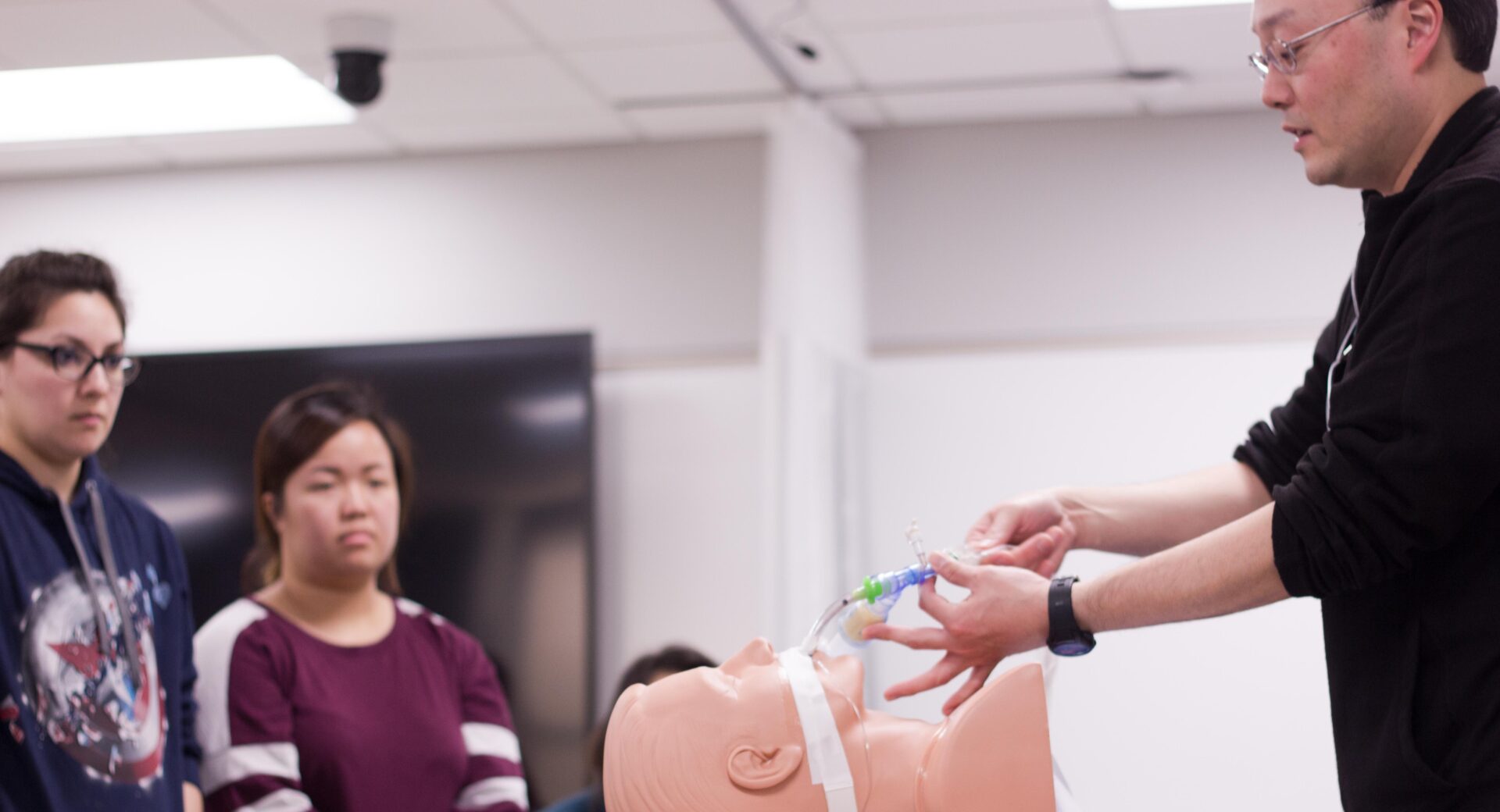
The curriculum combines classroom instruction with extensive hands-on laboratory experience. Students learn to operate ventilators, administer breathing treatments, and perform patient assessments using the same equipment they’ll encounter in hospital settings. The program covers everything from basic anatomy and physiology to advanced critical care procedures, preparing graduates to work in intensive care units, emergency departments, and specialized areas like neonatal transport.
Most Graduates Employed by Clinical Affiliates
Newman University maintains strong partnerships with major Wichita-area hospitals including Wesley Medical Center and Via Christi. These clinical affiliations provide students with real-world training opportunities and create a direct pipeline to employment. Program Director Stacy Fox reports that most students have full-time jobs two to three months prior to graduation.
The clinical rotation experience exposes students to different hospital departments and patient populations. Students might work in the burn unit one day, the medical floor the next, and the trauma department after that. This variety helps graduates understand the full scope of respiratory care practice and often leads to job offers from multiple departments within the same hospital system.
Small Class Sizes with Personalized Instruction
With only 20 students accepted annually, Newman’s program maintains an intimate learning environment that larger universities cannot match. The program features small student-to-instructor ratios during laboratory sessions, ensuring each student receives significant one-on-one attention when learning to operate complex medical equipment.
Faculty members maintain an open-door policy, meeting with students regularly to review difficult concepts, practice procedures, or prepare for examinations. This personalized approach contributes to the program’s high success rates on national credentialing exams. Current students report that professors are available almost daily for extra help, study sessions, or hands-on practice time in the laboratories.
Prerequisites and Application Requirements
February to April Application Window for 20 Student Slots
The competitive nature of Newman’s Respiratory Care program means early preparation is essential. Applications open each February and close in April for the following August start date, giving prospective students several months to complete any remaining prerequisites. With only 20 slots available and strong interest in the program, meeting deadlines and maintaining competitive grades in prerequisite courses is crucial for acceptance.
Newman University uses a common application system for all healthcare programs, allowing students to apply for multiple programs simultaneously. This flexibility benefits students who are considering different healthcare careers or want backup options. The application process includes submitting transcripts, completing prerequisite coursework, and demonstrating readiness for the rigorous program demands.
Required Coursework Before Program Entry
Before entering the respiratory care program, students must complete specific prerequisite courses that build the scientific foundation necessary for success. These typically include anatomy and physiology, chemistry, mathematics, and general education requirements. The exact coursework requirements may vary, so prospective students should consult with program advisors early in their planning process.
Many prerequisite courses overlap with other healthcare programs at Newman, allowing students flexibility if they decide to change their career focus. Students can complete prerequisites at Newman University or transfer credits from other accredited institutions. The admissions team works closely with applicants to evaluate transcripts and determine which courses need completion before program entry.
NBRC Exam Preparation and Licensing Path
Registered Respiratory Therapist (RRT) Credential
After graduation, all respiratory therapists must pass examinations administered by the National Board for Respiratory Care (NBRC) to earn their credentials. The NBRC offers two main credentials: the Certified Respiratory Therapist (CRT) and the advanced Registered Respiratory Therapist (RRT). Most employers prefer or require the RRT credential, which Newman’s program specifically prepares students to achieve.
Newman University’s preparation for the NBRC exams is particularly thorough. Students take eight practice exams during their final semester that replicate the actual testing experience. This extensive preparation contributes to the program’s impressive pass rates, with graduates consistently scoring well above national averages on first-attempt passage rates. The program’s focus on board exam preparation sets Newman graduates apart from other schools in the region.
State Licensing Requirements After Graduation
All states except Alaska require respiratory therapists to obtain state licensing in addition to their national credentials. Kansas licensing requirements include passing the NBRC examinations, completing an accredited educational program, and meeting any state-specific continuing education requirements. Newman’s program ensures graduates understand both national and Kansas-specific requirements for maintaining their professional credentials.
The licensing process typically takes several weeks after passing the NBRC exams. During this time, new graduates can often work under temporary permits while their full licensing is processed. Newman’s career services team helps students navigate the licensing application process and understand the requirements for maintaining their credentials throughout their careers.
Career Opportunities and Specialization Paths
Hospital Settings: ICU to Neonatal Transport
Hospital-based respiratory therapists work in diverse settings that offer different challenges and rewards. Intensive care units represent the most common placement for new graduates, where they manage ventilators and provide critical care for the sickest patients. Emergency departments offer fast-paced environments where respiratory therapists respond to codes and rapid response calls, often being first on scene for intubation and airway management.
Specialized areas like neonatal transport provide unique opportunities for experienced respiratory therapists. These positions involve traveling by ground or air to pick up critically ill babies from smaller hospitals and transporting them to facilities with higher levels of care. Newman graduate Kyle Weiss works in neonatal transport at Wesley Medical Center, describing his role as stabilizing patients and bringing them back to the hospital “where they can be cared for.”
Outpatient Options: Home Care and Pulmonary Clinics
Not all respiratory therapy careers require hospital employment. Home medical equipment companies employ respiratory therapists to work with patients who need breathing support at home, including those using CPAP machines, home oxygen, or even ventilators. These positions often offer more regular schedules and the satisfaction of helping patients maintain independence in their own homes.
Pulmonary function laboratories and asthma/allergy clinics provide office-based opportunities for respiratory therapists who prefer a more predictable work environment. These settings focus on diagnostic testing, patient education, and outpatient treatments. Some respiratory therapists also work with medical device companies, traveling to hospitals and clinics to provide education and training on new equipment.
12% Job Growth Through 2034
The Bureau of Labor Statistics projects 12% job growth for respiratory therapists from 2024 to 2034, much faster than the average for all occupations. This growth is driven by an aging population with increased prevalence of respiratory conditions like COPD and sleep apnea. The COVID-19 pandemic also highlighted the critical role respiratory therapists play in healthcare systems, leading to increased recognition and demand for these professionals.
Regional demand in Kansas remains particularly strong. Newman University reports that local hospitals are actively recruiting students even before graduation, with some offering signing bonuses and tuition assistance to attract new graduates. This demand creates excellent job security and opportunities for career advancement in the Wichita metropolitan area and throughout Kansas.
Financial Aid and Scholarship Opportunities
Kansas Promise Scholarship for Eligible Students
The Kansas Promise Scholarship Act provides significant tuition assistance for students enrolled in qualified healthcare programs, including respiratory care at Newman University. This state-funded scholarship acts as “last dollar” funding, meaning it covers remaining tuition costs after other scholarships and financial aid are applied. The program requires recipients to live and work in Kansas for two years after graduation, which aligns well with local employment opportunities.
To maintain eligibility for the Kansas Promise Scholarship, students must take at least 6 credit hours per semester that count toward their degree and maintain satisfactory academic progress. The scholarship can be used for prerequisite courses as well as the professional program courses, helping students minimize educational debt throughout their entire academic path.
Hospital Sign-On Bonuses and Tuition Reimbursement
Local hospitals are eager to hire qualified respiratory therapists and many offer substantial financial incentives to new graduates. Sign-on bonuses are common in the industry, with some facilities offering additional benefits like tuition reimbursement for continued education. These incentives reflect the strong demand for respiratory therapists in the healthcare market.
Student work agreements represent another financial opportunity during the program. Hospitals like Via Christi offer these agreements to respiratory therapy students, providing compensation during the program in exchange for a commitment to work at the facility after graduation. Students work as technicians under student permits, gaining valuable experience while earning money to offset educational expenses.
Newman University Prepares You for Immediate Employment
Newman University’s Respiratory Care program stands out for its thorough preparation approach that goes beyond textbook learning. The program’s emphasis on hands-on experience, clinical rotations at major healthcare facilities, and intensive NBRC exam preparation ensures graduates are ready to step into professional roles immediately after graduation. Faculty members like Tim Cho and Stacy Fox bring real-world experience to the classroom, helping students understand not just the technical aspects of respiratory care but also the communication and critical thinking skills essential for success.
The program’s track record speaks volumes about its effectiveness. With consistently high first-time pass rates on national examinations and strong employment rates for graduates, Newman University has established itself as a leading educator of respiratory therapists in Kansas. Students benefit from small class sizes, state-of-the-art laboratory facilities, and strong industry partnerships that create direct pathways to employment.
For high school students or career changers interested in a stable, rewarding healthcare profession, respiratory therapy offers an excellent combination of good pay, job security, and meaningful work. The relatively short educational timeline means students can enter the workforce quickly while maintaining options for further education and career advancement. With the aging population and increasing prevalence of respiratory conditions, the need for qualified respiratory therapists will continue growing, making this an excellent time to consider this healthcare career path.
Learn more about Newman University’s healthcare education programs and how they prepare students for successful careers in respiratory therapy and other medical fields at newmanu.edu.
Check Out Respiratory Care
Respiratory Care is a dynamic, high-tech, high-touch allied health profession. Respiratory therapists (RTs) work under the direction of a physician and assist in the evaluation, treatment, and care of patients with cardiopulmonary disorders.