A professor who gave away his own hours
Donald Sheehan had given up a more prestigious academic career to teach introductory English courses at Dartmouth College. That wasn’t enough. On his own time, with no institutional credit, he ran a book study on Dostoevsky’s “The Brothers Karamazov” — entirely for the students who wanted to show up.
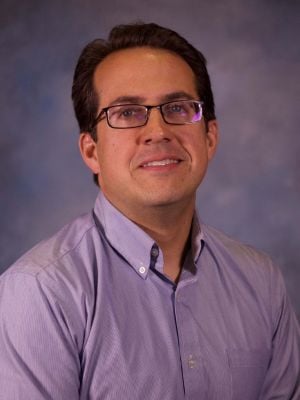
Joshua Papsdorf, Ph.D., Newman’s dean of the School of Arts & Sciences and School of Catholic Studies, was one of them.
“He did it entirely in his spare time,” Papsdorf said.
That image — a professor who gave away his own hours for students — has stayed with Papsdorf ever since. It followed him through graduate school, two decades at Newman University and into a role that now puts him in charge of two academic schools at once.
One dean, two schools
In December 2025, Papsdorf took on the deanship of the School of Arts & Sciences in addition to his existing role leading the School of Catholic Studies, making him one of the few people on campus whose job spans both sides of Newman’s liberal arts core.
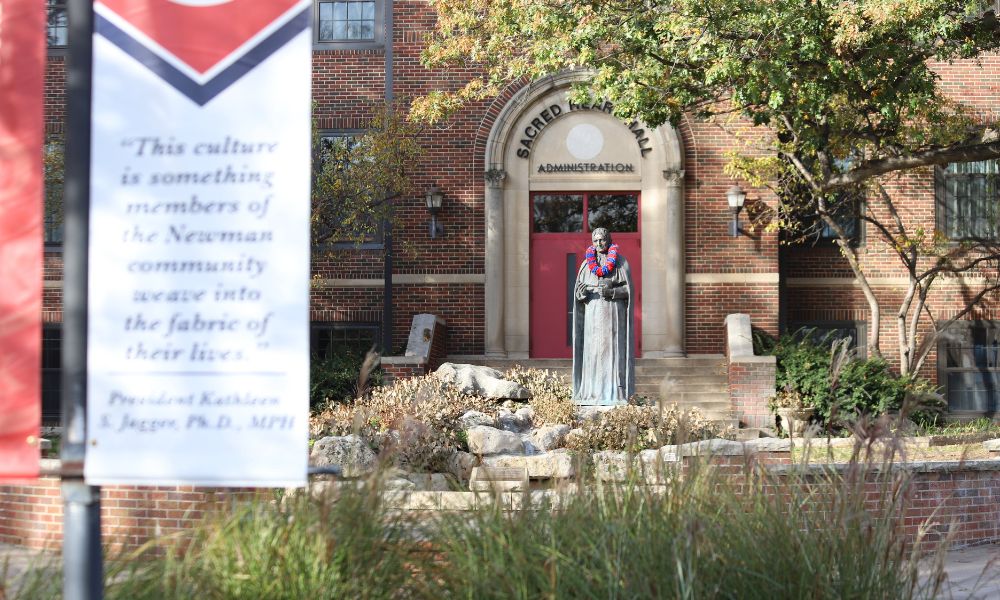
Six months in, he’s still mostly listening.
“My first goal is to listen to people,” Papsdorf said. “I’m working on sitting down with faculty, students and community members to get a clear understanding of what’s been happening in the school and how we can best move forward.”
That isn’t hesitation. It’s the philosophy. Papsdorf doesn’t see his job as bringing a new agenda to the Schools of Arts & Sciences and Catholic Studies. He sees it as understanding what the faculty already need, then getting out of their way so they can do it.
“I really see myself as a facilitator,” he said. “We have great faculty who are connected with their students and need various types of support to engage with them effectively. I don’t need to come in and impose an agenda. I’m mostly trying to understand what the needs are on the classroom scale and the institutional scale and then figure out ways for us to effectively meet both sets of needs.”
The dual role is more manageable than it sounds, he said. The School of Catholic Studies has far fewer full-time faculty, and Papsdorf has a strong group of division chairs across both schools handling the day-to-day functions. The two schools also share a piece of the same work: both play significant roles in Newman’s general education program for all undergraduates. Bringing them under one leader, Papsdorf said, should make that collaboration easier.
He also thinks the timing is right.
Why AI is making the humanities matter more, not less
Artificial intelligence has reshuffled the conversation about which college subjects matter, and not in the direction that skeptics of the humanities might have predicted. Papsdorf has watched people who once dismissed art and communication courses change their position as AI makes technical skills alone feel less like a sure thing.
“With all of the upheaval in our world today, particularly in connection with AI and how it is likely to change the lives and careers of our students, there’s never been a greater need for the type of whole-person education that we offer,” he said. “A lot of the folks who dismissed the importance of subjects like art or communication a few years ago are now saying that we need students to be formed in those areas more than ever.”
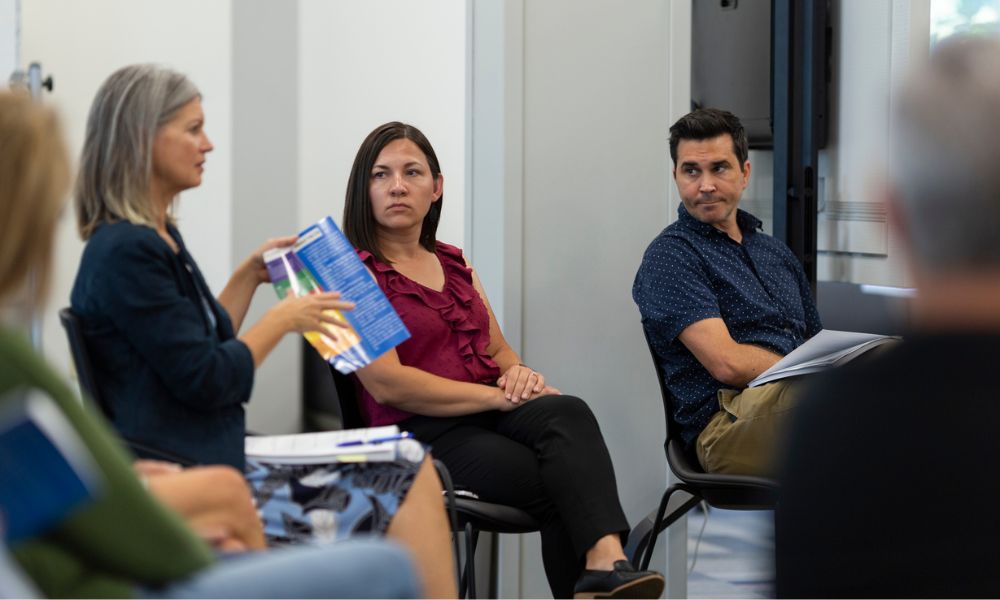
What whole-person education produces, Papsdorf said, isn’t just a well-rounded graduate; it’s someone ready to do something with what they’ve learned.
“Success for our students is when they leave Newman empowered to transform society for the better,” he said. “I think that happens primarily through real connections with teachers and advisers who can model the necessary skills and inspire the students. My primary job is to support the faculty in ways that will allow them to form those relationships.”
Education is the relationship
That conviction traces back to Dartmouth, where Papsdorf studied philosophy as an undergraduate. His adviser, John Konkle, was the kind of professor who faced constant pressure to prioritize research and publications — and chose teaching anyway.
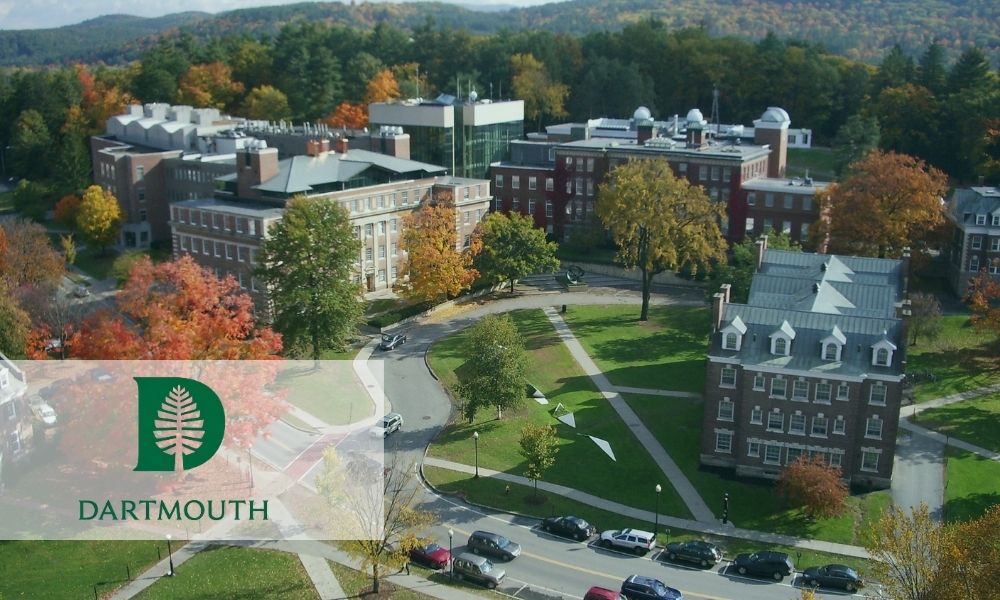
“Despite a lot of pressure to focus on research and publications, he devoted the majority of his time to teaching undergraduates and mentoring us both in and outside of the classroom,” Papsdorf said.
Sheehan was the same. Both men modeled something Papsdorf still considers the point: that what happens between a professor and a student, in and outside the classroom, is the education. Everything else is infrastructure.
Building community around a shared table
Papsdorf tries to build that infrastructure. Relationship-building, he said, often starts with food. He bakes sourdough, cooks for gatherings with students and faculty and has taught courses on the theology and philosophy of food. One of the central themes in those courses: how much of the human community gets built around a shared table.
Papsdorf grew up in Wichita and attended Berean Academy before studying philosophy at Dartmouth College. He earned a master’s degree in theology from Boston College and a doctorate in theology from Fordham University in New York. He joined the Newman faculty during his final year of doctoral work and has been here since. He entered the Catholic Church as a convert in 2002.
He and his wife, Jill, have been married 27 years and have four children: Caleb, who graduated from Newman this spring and is heading to the University of Kansas School of Law in the fall; Reva, who finished her first year at Rice University in Houston; and Clare and Silas, home-schooled high schoolers.
Article at a glance:
Josh Papsdorf serves as dean of both the School of Arts & Sciences and the School of Catholic Studies at Newman University in Wichita, Kansas. He took on the Arts & Sciences deanship in December 2025, adding it to his existing role leading Catholic Studies. Papsdorf holds a doctorate in theology from Fordham University, a master’s in theology from Boston College, and an undergraduate degree in philosophy from Dartmouth College. He has been a Newman faculty member for approximately two decades and describes his leadership philosophy as facilitative — focused on supporting faculty so they can build meaningful relationships with students.
School of Arts and Sciences
The Newman University School of Arts and Sciences is the largest of Newman’s five schools and home to divisions of arts & letters, humanities, science & mathematics and social sciences.

School of Catholic Studies
The Newman University School of Catholic Studies provides students with authentic and transformational opportunities to grow in their faith during their collegiate journey.