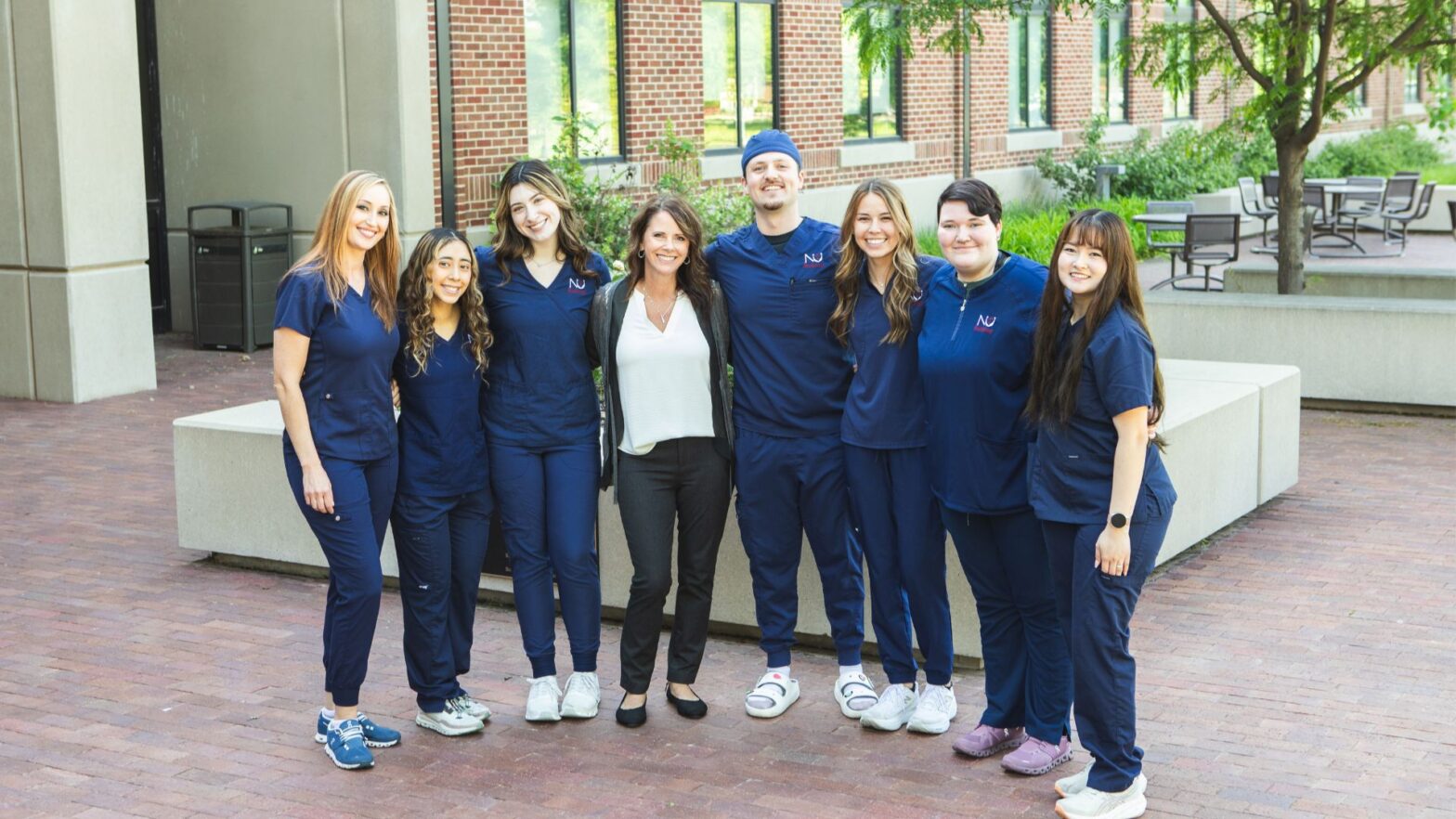
For Rebecca Herd ‘25, the journey through Newman University’s radiologic technology program was more than just educational — it was transformational.
“When I first started I lacked a lot of confidence in myself and I was very timid,” Herd said. “This program helped me gain that confidence in myself and I feel like I can pretty much do anything.”
Herd recently achieved a major milestone: acceptance into the nuclear medicine program at the University of Arkansas. She will begin the one-year, online program in August, completing clinical rotations locally at Ascension Via Christi St. Francis, Founders’ Circle and Murdock, as well as at Wesley Medical Center.
“I like that you’re able to spend more time with your patients because the exams take a lot longer,” she said. “You get to know your patients a lot more. I think the scans are really interesting and learning about how it works is what drew me into it.”
Why radiologic technology?
Herd’s passion for radiology didn’t begin with nuclear medicine. She initially considered sonography, but found herself drawn to X-ray after taking some prerequisites.
“I felt like I knew what I was looking at with X-ray versus sono(graphy),” she explained. “And I knew that you can always go into sono by doing X-ray first.”
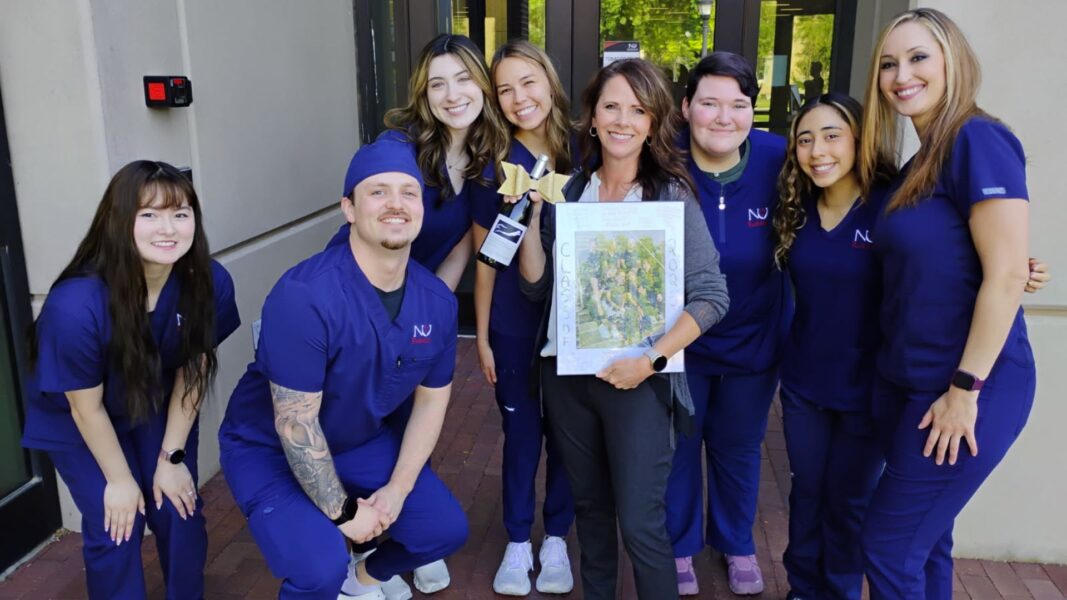
That strategic mindset led her to Newman’s associate degree program in radiologic technology, which stood out to her for its hands-on approach and supportive environment.
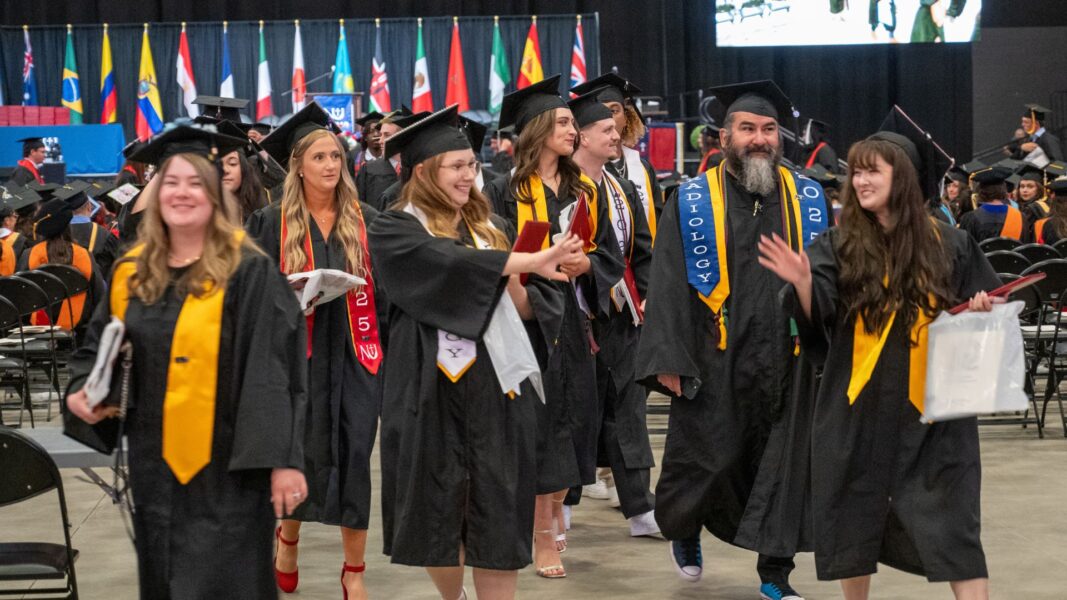
“(Newman’s program) does two years of clinicals versus other programs that are only one year, so you get more experience with patients,” Herd said.
Herd completed her first year of clinicals at the Robert J. Dole VA Medical Center before rotating through St. Francis Hospital and other local sites. Though the clinical environment was initially a challenge, she said it ultimately became the key to preparing her for her future career.
“The more initiative that you take, the more confidence you get,” Herd said.
From strong support system to career ready
Throughout her time at Newman, Herd felt supported by her professors and clinical instructors.
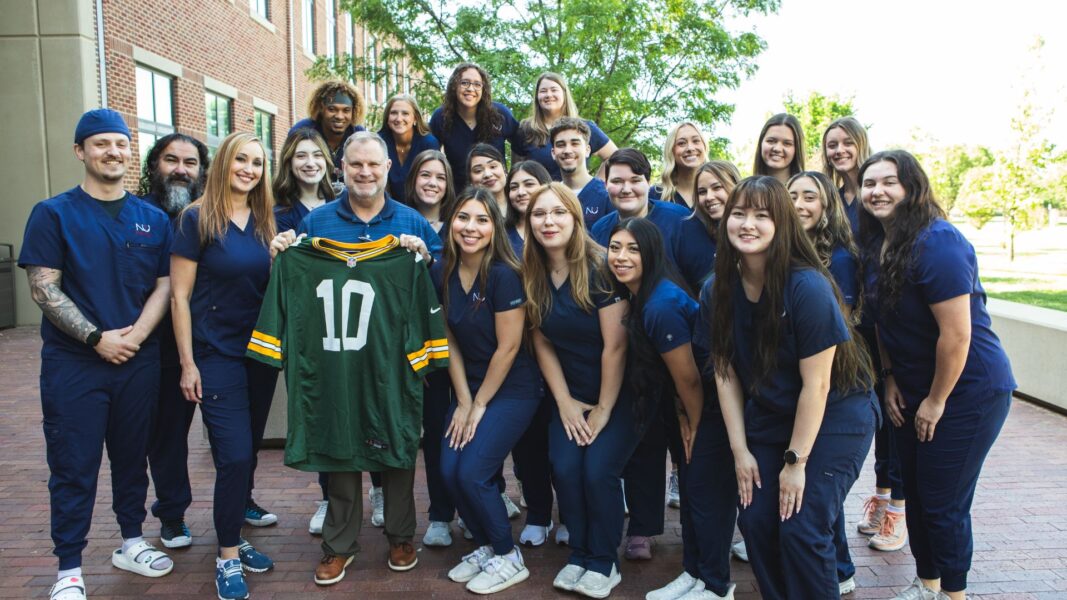
“If you have any questions or doubts about yourself, the professors are always there for you,” Herd said. “They push you to do your best because they want the best for you.”
For Herd, the program offered more than just technical skills. It also introduced her to new opportunities in the medical field.
“You don’t just have to stay an X-ray. Newman gave us an opportunity to see other things, which is how I found out about nuclear medicine,” she said.
With her next academic chapter about to begin, Herd is excited to continue learning and helping make a difference in patients’ lives.
Explore a radiologic technology degree at Newman
The radiologic technology degree at Newman University empowers graduates by giving them the skills necessary to be a highly valued employee through providing high quality, compassionate patient care.