
Article At-A-Glance
- Kansas faces a severe shortage of qualified dyslexia specialists, with estimates suggesting the state needs over 1,000 trained professionals to adequately serve students with dyslexia.
- Following the Kansas Legislative Task Force on Dyslexia’s recommendations (2018-2019), state-mandated teacher training has increased demand for specialists without enough trained personnel to fill positions.
- Newman University offers a dual certification pathway that prepares educators for both Kansas Reading Specialist licensure and national dyslexia therapy certification.
- Early intervention by properly trained specialists can dramatically improve reading outcomes for the approximately 20% of students affected by dyslexia.
- Rural districts face particular challenges in recruiting and retaining dyslexia specialists, forcing creative solutions like shared specialist models.
Dyslexia affects one in five students in Kansas classrooms, yet schools across the state struggle to find properly trained educators who can provide the specialized instruction these students desperately need. The gap between student needs and available expertise has reached critical levels, leaving thousands of Kansas children without access to appropriate reading intervention.
This shortage comes at a pivotal time when the science of reading and structured literacy approaches have demonstrated unprecedented success in helping dyslexic students learn to read. Newman University’s specialized dyslexia training program stands at the forefront of addressing this crisis, equipping Kansas educators with the advanced skills needed to transform outcomes for struggling readers.
Kansas Faces Critical Shortage of Dyslexia Teachers While Student Needs Grow

The numbers tell a sobering story about the state of dyslexia education in Kansas. Following the Kansas Legislative Task Force on Dyslexia’s recommendations implemented in 2019, schools are now required to provide appropriate interventions for students with characteristics of dyslexia. Yet the infrastructure of trained professionals needed to deliver these interventions remains woefully inadequate.
Using Arkansas as a comparative model, Kansas would need approximately 1,500 Certified Academic Language Therapists (CALTs) or similarly qualified specialists to adequately serve its 1,060+ public schools. Current estimates suggest the state has fewer than 200 fully qualified dyslexia specialists serving all educational settings – public, private, and homeschool environments combined.
The Kansas Dyslexia Specialist Gap
Number of schools in Kansas: 1,060+
Estimated dyslexia prevalence: 20% of student population
Estimated specialists needed: 1,500
Current qualified specialists: Fewer than 200
Source: Comparative analysis based on Arkansas Department of Education data
The Numbers Behind the Crisis
The shortage stems from multiple converging factors that have created a perfect storm in Kansas education. State dyslexia legislation requiring screening and intervention has significantly increased demand for trained specialists. Meanwhile, traditional teacher preparation programs historically provided minimal training in structured literacy approaches proven effective for dyslexic students. Add to this the specialized nature of dyslexia intervention requiring graduate-level education, and Kansas faces an uphill battle in closing the expertise gap.
- Approximately 100,000+ Kansas K-12 students may have characteristics of dyslexia (based on 20% prevalence rate)
- Most elementary schools have no teacher with comprehensive dyslexia-specific training
- The average waiting period for private dyslexia evaluation and services can exceed 6-12 months
- Rural districts face even greater shortages, with some counties having no access to qualified specialists
How the Shortage Impacts Student Reading Progress
The consequences of this shortage manifest in classrooms daily. Without access to properly trained teachers, dyslexic students often experience years of reading failure before receiving appropriate intervention. This delay creates cascading effects including diminished self-confidence, behavioral issues stemming from frustration, and significant academic gaps across all subject areas. By third grade, many dyslexic students without specialized support have already developed avoidance behaviors and negative associations with reading that can persist throughout their educational careers.
Why Early Intervention Matters Most
Research consistently demonstrates that early identification and intervention by qualified specialists can dramatically alter the trajectory for dyslexic students. When identified in kindergarten or first grade and provided structured literacy instruction by knowledgeable educators, most dyslexic students can develop into proficient readers. The window for most effective intervention closes rapidly, with remediation becoming increasingly challenging after third grade.
Kansas programs like Newman University’s dyslexia specialization address this identification gap by preparing educators to recognize dyslexia indicators as early as kindergarten. These specialists implement proactive, research-based interventions that prevent reading failure rather than attempting to remediate entrenched difficulties years later.
- 90% of dyslexic children can achieve grade-level reading with proper early intervention
- Students who receive appropriate instruction before 3rd grade show significantly better long-term outcomes
- Without specialized instruction, dyslexic students typically read at least 2 years below grade level by middle school
- Early intervention reduces the need for intensive special education services later
Why This Shortage Exists in Kansas Schools
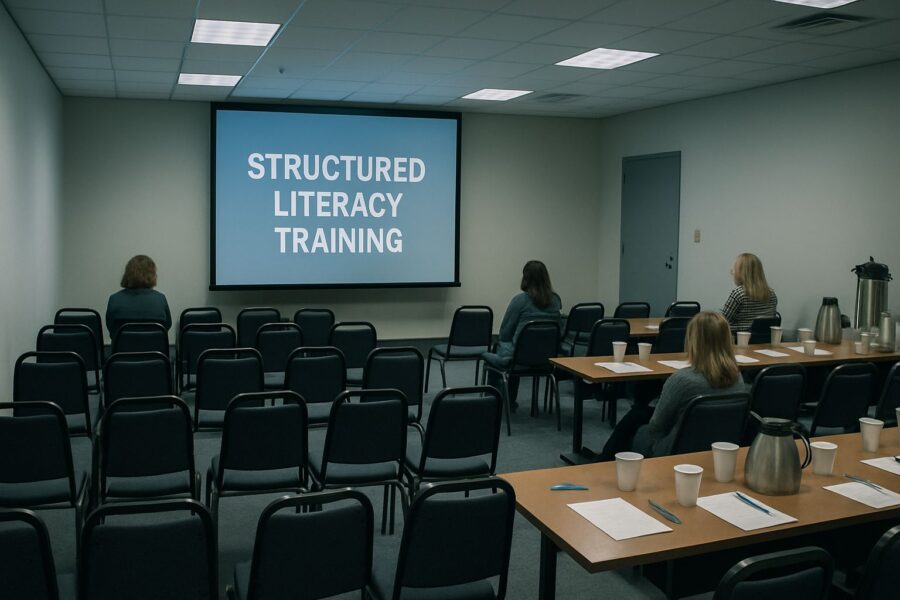
The current dyslexia teacher shortage in Kansas reflects a complex web of factors that have evolved over decades in education. Historical approaches to reading instruction often emphasized whole language methodologies rather than the systematic phonics instruction that research now confirms is essential for dyslexic learners. This created generations of educators who weren’t equipped with the specialized knowledge needed to recognize and address dyslexia effectively.
New State Mandates Without Enough Trained Personnel
Following the recommendations of the Kansas Legislative Task Force on Dyslexia (2018-2019), schools now face requirements for dyslexia screening and intervention implementation. While these policy changes represent significant progress, they created immediate demand for expertise that simply doesn’t exist in sufficient numbers. Schools scramble to meet compliance requirements without the necessary personnel infrastructure, often resulting in superficial interventions that don’t fully address student needs.
The disconnect between policy implementation and workforce development has left districts in a difficult position. Many are forced to assign dyslexia intervention responsibilities to educators with minimal training rather than comprehensive expertise in structured literacy approaches.
The Specialized Training Gap
Traditional teacher preparation programs in Kansas, as in most states, have historically provided minimal coursework in explicit, systematic phonics instruction or dyslexia-specific methodologies. Most licensed teachers graduate with fewer than 10 classroom hours dedicated to structured literacy approaches. This leaves the vast majority of Kansas educators underprepared to address the specific learning needs of dyslexic students despite their dedication and general teaching skills.
Acquiring the necessary expertise requires substantial graduate-level coursework beyond initial certification – typically 18-30 additional credit hours plus supervised practicum experience. This represents a significant investment of time and resources for working educators, creating barriers to developing the specialized workforce Kansas students need.
Rural Districts Hit Hardest
The shortage disproportionately affects rural Kansas communities where access to specialized services was already limited. Smaller districts lack the resources to compete with larger urban areas for the few qualified specialists available. Geographic isolation further complicates access to training programs, with educators in western Kansas often facing hours of travel to reach university campuses offering dyslexia-specific coursework.
The result is a troubling equity gap where students in rural communities may have no access to qualified dyslexia intervention despite state mandates. Some rural districts report having no teachers with comprehensive dyslexia training, forcing families to travel significant distances for private services or go without appropriate support entirely.
Funding Barriers for Advanced Teacher Education
Current teacher salary structures in Kansas often provide minimal financial recognition for specialized training beyond initial master’s degrees. This creates a disincentive for continued professional growth in high-need areas like dyslexia intervention. Without salary schedules that meaningfully reward advanced expertise in reading instruction, many educators find it difficult to justify the substantial personal investment required for comprehensive dyslexia training.
7 Key Requirements for Becoming a Qualified Dyslexia Specialist
Becoming a fully qualified dyslexia specialist in Kansas requires comprehensive training that goes far beyond basic teaching credentials. Educators must develop specialized knowledge and practical skills through intensive graduate study and supervised clinical experience. Understanding these requirements helps illustrate why the shortage exists and the significant commitment needed from educators who pursue this specialization.
1. Graduate-Level Structured Literacy Training
Effective dyslexia specialists need deep knowledge of structured literacy approaches grounded in the science of reading. This includes advanced coursework in phonology, orthography, morphology, syntax, semantics, and discourse-level language structures. Programs aligned with International Dyslexia Association standards typically require 18-30 graduate credit hours focused exclusively on these components and their application to dyslexia intervention.
2. Practicum Hours with Struggling Readers
Theoretical knowledge alone isn’t sufficient – specialists must complete extensive supervised practicum experiences working directly with struggling readers. Quality programs require 60-100+ hours of one-on-one tutoring under expert supervision, with detailed feedback on instructional techniques. This clinical component represents one of the most significant time commitments in specialist training but is essential for developing the diagnostic teaching skills needed for effective intervention.
3. State Reading Specialist Licensure
Kansas requires reading specialists to hold appropriate state licensure, typically obtained through completing an approved master’s program and passing the Praxis Reading Specialist examination. This credential establishes baseline qualifications for literacy leadership roles in public schools but doesn’t necessarily guarantee expertise in dyslexia-specific methodologies without additional specialized training.
4. Knowledge of Evidence-Based Assessment Tools
Dyslexia specialists must develop proficiency with numerous diagnostic assessments that identify specific skill deficits and inform intervention planning. This includes formal standardized measures of phonological awareness, rapid naming, decoding, encoding, fluency, and comprehension. Additionally, specialists need expertise in curriculum-based measurement techniques for ongoing progress monitoring and instructional adjustment based on student response to intervention.
5. Multi-Sensory Instruction Competency
Effective dyslexia intervention requires mastery of multi-sensory instructional techniques that simultaneously engage visual, auditory, kinesthetic, and tactile learning pathways. These approaches help dyslexic students form stronger neural connections for reading and spelling by creating multiple memory pathways. Training programs must provide explicit instruction and practice in these specialized techniques, which differ significantly from general classroom reading instruction.
- Visual techniques – color-coding, graphic organizers, and specialized fonts
- Auditory methods – systematic sound-symbol association and verbal feedback
- Kinesthetic approaches – air writing, finger tapping for syllabication
- Tactile elements – sand tracing, textured letters, and manipulatives
The complexity of integrating these multi-sensory approaches with systematic instruction requires extensive practice and mentoring. Most educators need 40-60 hours of direct instruction followed by supervised implementation before achieving proficiency with these specialized techniques.
For dyslexic students, access to teachers with this specialized training makes the difference between reading failure and reading success. The structured, sequential nature of proper dyslexia intervention requires precision teaching that only comes through comprehensive specialist preparation.
Newman University’s Program Tackles the Shortage Head-On

In response to Kansas’ critical dyslexia teacher shortage, Newman University has developed a comprehensive program specifically designed to address the state’s needs. This specialized training pathway combines rigorous academic preparation with intensive clinical experience to produce graduates who can immediately impact student outcomes. The program aligns with both International Dyslexia Association standards and Kansas Department of Education requirements, ensuring graduates meet the highest professional standards.
Dual Certification Pathway
Newman University distinguishes itself through a dual certification preparation model that maximizes graduate career flexibility. The curriculum prepares educators for both Kansas Reading Specialist licensure (via the Praxis exam) and national dyslexia therapy certification through either the Knowledge and Practice Examination for Effective Reading Instruction (KPEERI) or the Academic Language Therapy Association (ALTA).
This dual-credential approach gives graduates exceptional versatility in their career paths. They can serve as school-based reading specialists, district literacy coordinators, or private dyslexia therapists – addressing critical needs across multiple educational settings throughout Kansas.
Summer Intensive Format for Working Teachers
Newman University has structured its program to accommodate working educators through an innovative summer intensive format. This allows teachers to complete substantial coursework during summer sessions while continuing their classroom responsibilities during the academic year. The condensed schedule enables educators to acquire specialized training without having to leave their current positions, helping to address the immediate shortage while building long-term capacity.
Hands-On Learning with Real Students
The cornerstone of Newman’s approach is extensive practicum experience with actual struggling readers. Students in the program complete over 100 hours of supervised intervention with dyslexic learners, receiving detailed coaching and feedback from expert faculty. This clinical component ensures graduates aren’t just theoretically prepared but have demonstrated competence implementing structured literacy approaches with diverse learners.
The program’s practicum experiences include diagnostic assessment, intervention planning, progress monitoring, and parent communication – the full spectrum of skills needed for effective practice. This intensive hands-on approach produces graduates who can immediately implement effective interventions upon program completion.
Career Advancement Opportunities
Graduates of Newman University’s program find themselves uniquely positioned for career advancement in multiple educational contexts. The dual certification model opens doors to specialized positions including district dyslexia coordinators, private practice dyslexia therapists, and literacy leadership roles. These advanced career paths not only offer professional growth but often come with significant salary increases compared to general classroom teaching positions.
Other Training Pathways in Kansas
While Newman University offers a comprehensive dual-certification pathway, Kansas educators have several other options for developing dyslexia expertise. These alternatives vary in scope, format, and credential outcomes, allowing teachers to select the option that best aligns with their professional goals and personal circumstances.
Online and Hybrid Options
For educators in rural Kansas or those unable to attend in-person classes, several universities now offer fully online or hybrid dyslexia training programs. Kansas State University, Fort Hays State University, and Pittsburg State University have developed distance learning options that combine synchronous online instruction with asynchronous components. These programs typically require occasional in-person practicums or intensive weekend sessions to fulfill clinical requirements while offering maximum flexibility for coursework completion.
Certification vs. Full Degree Programs
Educators can choose between shorter certification programs (typically 15-18 credit hours) or comprehensive master’s degree programs (30-36 credit hours). Certification programs focus intensively on structured literacy methods and may be completed in 12-18 months, while full degree programs provide broader educational leadership preparation and typically require 2-3 years to complete. The certification option offers a faster pathway to classroom implementation, while master’s programs provide more comprehensive preparation for leadership roles.
When comparing programs, educators should consider not just tuition costs but also credential outcomes, flexibility, practicum requirements, and alignment with career goals. The investment in specialized dyslexia training typically pays dividends through expanded career opportunities and the profound impact on student success.
School Districts Taking Creative Approaches
Facing severe shortages of qualified specialists, Kansas school districts have implemented innovative strategies to maximize limited resources and ensure students receive appropriate support. These approaches leverage existing expertise while building capacity for more comprehensive services.
Tuition Reimbursement Incentives
Forward-thinking districts have established dedicated funding to support teachers pursuing dyslexia-specific training. These programs typically offer partial or full tuition reimbursement for approved graduate coursework, sometimes with service commitments requiring teachers to remain in the district for 2-3 years after completing their training. This investment helps districts build internal expertise while providing valuable professional development for committed educators. For more information on identifying dyslexia and seeking help, refer to this guide on recognizing dyslexia.
Shared Specialist Models
Rural districts have developed cooperative arrangements where neighboring school systems share the services of qualified dyslexia specialists. These collaborative models allow smaller districts to access expertise that would be financially impossible to maintain individually. Specialists typically rotate between schools on a predetermined schedule, providing direct student services, teacher coaching, and program oversight across multiple campuses.
Virtual Support Networks
Technology has enabled innovative approaches to expanding dyslexia intervention access through virtual support networks. Some districts employ remote dyslexia specialists who provide intervention services via video conferencing platforms, allowing students in multiple locations to receive specialized instruction regardless of geographic limitations. These virtual specialists also provide ongoing coaching for classroom teachers, helping to disseminate evidence-based practices throughout the district.
How Parents Can Advocate for Better Dyslexia Support

Parents play a crucial role in driving systemic improvement in dyslexia services through informed advocacy. Understanding the landscape of dyslexia education in Kansas empowers families to effectively partner with schools in supporting their children’s needs while promoting broader system change.
Understanding Your Child’s Rights
Kansas parents should familiarize themselves with both state-specific dyslexia provisions and federal protections under IDEA and Section 504. Following the Kansas Legislative Task Force on Dyslexia, schools must implement screening procedures and provide appropriate interventions for students showing characteristics of dyslexia. These state requirements supplement federal obligations to provide free appropriate public education to all students with disabilities, including those with dyslexia.
Working with School Teams
Effective parent advocacy starts with collaborative engagement with school teams. This begins by requesting comprehensive evaluation if dyslexia is suspected and participating actively in the development of intervention plans. Parents should request specific information about the qualifications of personnel providing reading intervention and the evidence base for instructional approaches being implemented.
When schools lack appropriately trained staff, parents can advocate for alternative service delivery models, including contracting with external specialists or providing compensatory services. Maintaining detailed documentation of all communications and student progress data strengthens advocacy efforts and ensures accountability.
Community Resources to Supplement School Services
Given the current shortage of qualified specialists in Kansas schools, many families supplement school-based services with community resources. Organizations like the Kansas branch of the International Dyslexia Association and Decoding Dyslexia Kansas provide valuable support, education, and connections to private practitioners.
Kansas Dyslexia Support Organizations
– International Dyslexia Association, Kansas Branch
– Decoding Dyslexia Kansas
– Kansas Reading Roadmap
– Children’s Dyslexia Centers of Kansas
– Kansas Multi-Tier System of Supports (MTSS)
These organizations offer parent education workshops, professional referrals, and advocacy guidance to help families navigate the complexities of dyslexia support. Many also maintain lists of qualified private practitioners who can provide supplemental intervention when school-based services are insufficient.
For families in underserved areas, some organizations offer scholarship programs or sliding scale fees to help offset the cost of private services. University training programs may also provide low-cost intervention through supervised practicum students, offering another option for supplemental support.
What Kansas Educators Can Do Right Now
Even without full specialist training, Kansas educators can take immediate steps to improve instruction for dyslexic students. Implementing elements of structured literacy in general education classrooms benefits all students while providing critical support for those with reading difficulties. Teachers can begin by incorporating explicit phonological awareness activities, systematic phonics instruction, and multi-sensory learning techniques into their daily literacy blocks.
Professional learning communities focused on evidence-based reading instruction provide another avenue for immediate improvement. By collaboratively studying structured literacy approaches and implementing specific techniques with coaching support, teacher teams can significantly enhance their effectiveness with struggling readers. Free resources from organizations like the International Dyslexia Association and the Florida Center for Reading Research provide starting points for this professional growth without requiring formal university enrollment.
Frequently Asked Questions

As more Kansas educators consider specialized dyslexia training, several common questions arise about the practicalities of pursuing this expertise. The following information helps prospective students make informed decisions about their professional development pathways.
Many educators express concern about balancing graduate studies with full-time teaching responsibilities. Others question whether the investment will yield meaningful career advancement or compensation increases. These practical considerations influence decisions about pursuing specialized training despite the critical need for qualified dyslexia specialists.
Understanding the logistics of training programs, credential requirements, and potential career outcomes helps educators make informed decisions that align with both personal circumstances and professional goals.
- How does specialized training translate to classroom practice?
- What financial support options exist for pursuing advanced training?
- How do different certification pathways compare?
- What ongoing support is available after program completion?
- How can specialists maximize their impact across multiple classrooms?
How much does specialized dyslexia teacher training typically cost?
The investment for comprehensive dyslexia specialist training in Kansas ranges from approximately $9,000 to $18,000 depending on the institution, program format, and credential outcome. Newman University’s dual certification program represents the most comprehensive option at $15,000-$18,000, while certification-only programs through institutions like Fort Hays State typically cost $9,000-$12,000. Many districts provide partial tuition reimbursement for approved programs, and federal TEACH grants may be available for educators committing to service in high-need schools.
Can I complete dyslexia specialist training while working full-time?
Yes, all Kansas dyslexia training programs are designed to accommodate working educators. Newman University’s summer intensive model concentrates coursework during summer sessions with practicum components during the academic year. Other institutions offer evening classes, weekend intensives, or fully online formats. Most programs require 2-3 years to complete while maintaining full-time employment, though accelerated options exist for educators able to take sabbaticals or reduced teaching loads.
- Summer intensive formats concentrate coursework during school breaks
- Online and hybrid options offer maximum flexibility
- Weekend cohort models meet 1-2 weekends per month
- Practicum requirements can often be completed within your current teaching position
- Part-time enrollment options extend program length but reduce per-semester workload
The practicum component typically requires 3-5 hours per week during the academic year, working with struggling readers under supervision. Many programs allow teachers to complete this requirement with students in their current school, integrating the clinical experience with existing professional responsibilities.
Program directors work closely with enrollees to develop individualized schedules that accommodate professional and personal commitments while ensuring comprehensive preparation. Cohort models also provide peer support that helps working professionals manage the demands of graduate study.
While balancing full-time teaching with advanced study is challenging, the immediate classroom application of program content creates natural synergies that reinforce learning. Many teachers report that their classroom instruction improves significantly even during the training process.
What’s the difference between a reading specialist and a dyslexia therapist?
Reading specialists and dyslexia therapists have distinct but complementary qualifications. Kansas Reading Specialist licensure represents a broader preparation for literacy leadership, including curriculum development, assessment coordination, and intervention for various reading difficulties. In contrast, dyslexia therapy certification (through organizations like ALTA or KPEERI) indicates specialized expertise in structured literacy approaches specifically designed for dyslexic students, with intensive training in diagnostic teaching techniques and multi-sensory instruction.
Newman University’s program prepares graduates for both credentials, maximizing professional flexibility. This dual certification allows educators to serve as school-based reading specialists while also maintaining the specialized expertise needed for effective dyslexia intervention. The comprehensive preparation also qualifies graduates for private practice settings where they can provide intensive, individualized therapy outside school contexts.
Are there financial aid options specifically for teachers pursuing dyslexia training?
Several targeted financial support options exist for Kansas educators pursuing dyslexia specialization. Beyond standard federal financial aid, the TEACH Grant program provides up to $4,000 annually for educators committing to service in high-need fields and schools. Additionally, many Kansas districts have established dedicated funds for dyslexia training through ESSER (Elementary and Secondary School Emergency Relief) allocations.
Professional organizations like the International Dyslexia Association occasionally offer scholarships for educators pursuing advanced training. Newman University provides program-specific scholarships for selected candidates demonstrating exceptional commitment to serving struggling readers. For teachers in underserved communities, the Kansas Rural Opportunity Zones program offers additional incentives that can help offset educational costs.
Educators should also explore employer tuition benefits, which often cover 50-100% of approved graduate coursework. Some districts have implemented service commitment models where teachers receive full tuition support in exchange for agreeing to remain in the district for a specified period (typically 2-3 years) after program completion.
Financial Support Options
– Federal TEACH Grants: Up to $4,000 annually
– District tuition reimbursement: Varies by district (typically $1,000-$5,000 annually)
– Professional organization scholarships: $500-$2,500
– Kansas Rural Opportunity Zones benefits: Varies by location
– Graduate assistantships: Tuition reduction with part-time work commitments
– Income-based repayment plans for federal student loans
With strategic planning and utilization of available resources, many educators can substantially reduce the out-of-pocket cost of specialized training. Program advisors can provide guidance on maximizing financial support options specific to individual circumstances.
How long does it take to become fully certified as a dyslexia specialist in Kansas?
The timeline to full certification varies depending on the pathway chosen and enrollment status. Certification-only programs focusing exclusively on structured literacy approaches can be completed in 12-18 months of part-time study. Comprehensive master’s degree programs that include both reading specialist licensure and dyslexia therapy certification typically require 2-3 years while working full-time.
All pathways include supervised practicum requirements that must be completed with struggling readers, typically requiring 60-100+ hours of documented intervention. This clinical component ensures graduates have demonstrated competence implementing structured literacy approaches under expert supervision before receiving final certification.
The investment in comprehensive training pays dividends throughout an educator’s career through expanded professional opportunities and the profound satisfaction of helping struggling readers succeed. With each properly trained specialist potentially impacting hundreds of dyslexic students over their career, this professional development represents one of the highest-impact investments in Kansas education.
After completing formal certification, specialists typically participate in ongoing professional development to maintain credentials and stay current with evolving research. This continuing education ensures Kansas dyslexia specialists maintain the highest standards of practice throughout their careers.
By pursuing specialized training, Kansas educators become part of the solution to the critical dyslexia teacher shortage while dramatically enhancing their professional expertise and career opportunities. The ripple effects of this professional investment extend far beyond individual classrooms to transform reading outcomes for countless Kansas students.
For more information about addressing dyslexia in Kansas schools and training opportunities for educators, Newman University’s comprehensive dyslexia specialization program provides resources, consultation, and pathways to make a difference for struggling readers across the state.