Key Takeaways
- Modern farming now demands a blend of traditional agricultural knowledge with technological expertise to remain sustainable and profitable
- Precision agriculture technologies like GPS-guided equipment and sensor-based irrigation can reduce input waste by up to 60% while improving yields
- Young farmers who integrate technology are revitalizing rural communities and creating new career paths that combine agricultural science with data analytics
- Regenerative farming practices supported by modern technology not only improve soil health but can increase farm profitability by 20-30% over five years
- The agricultural sector is experiencing a technological revolution with over 60% of large-scale farmers already adopting advanced monitoring techniques
The divide between traditional farming and technology isn’t just unnecessary—it’s holding back the next generation of agricultural innovation. Today’s most successful farmers aren’t choosing between time-honored practices and cutting-edge technology; they’re masterfully blending both. This integration is exactly what EcoFarm Solutions has been championing through their work with small to medium-sized farms across the country, helping bridge the gap between agricultural tradition and technological advancement.
Agriculture stands at a crossroads. One path leads toward continued consolidation, with fewer, larger farms dominating the landscape. The other path—one of technological integration with sustainable practices—offers promise for revitalizing rural communities while preserving the family farm model. The question isn’t whether technology belongs in farming but how we can thoughtfully implement it to enhance rather than replace the wisdom accumulated across generations.
We’ve moved beyond the false dichotomy of “traditional versus modern” farming. Today’s agricultural leaders recognize that sustainability requires both ecological wisdom and technological efficiency. The most resilient farms are those that honor their agricultural heritage while embracing innovation that reduces environmental impact and increases profitability.
Modern Farming Isn’t an Either/Or Decision
Modern agricultural success isn’t about abandoning traditional knowledge—it’s about enhancing it. Consider how indigenous farming techniques like companion planting and crop rotation are being rediscovered and optimized through data analytics. Farmers are finding that age-old wisdom about soil health and biodiversity pairs perfectly with precision technology that can map field variations and optimize inputs down to the square foot.
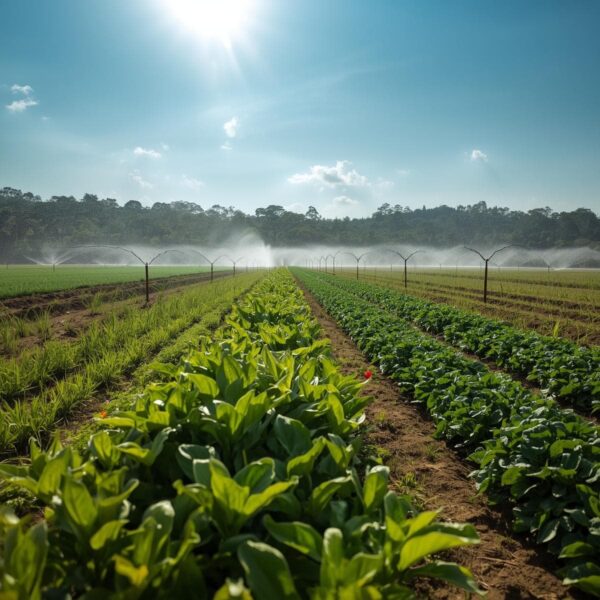
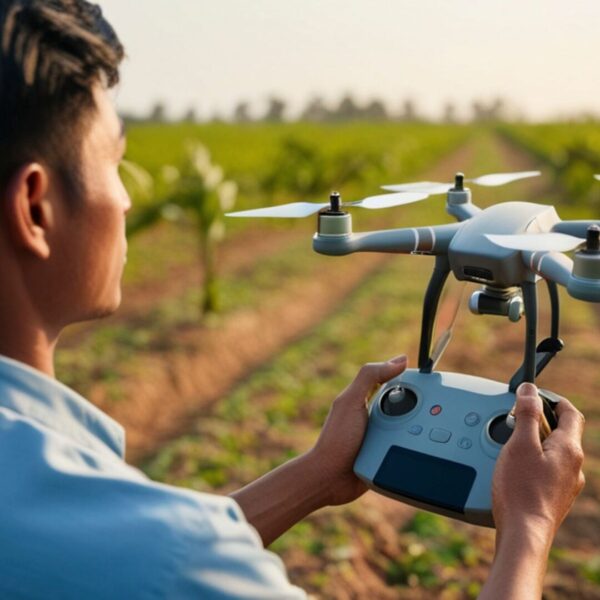
The integration happens across multiple dimensions. Drones that once seemed futuristic now routinely scout fields for pest pressure, allowing for targeted intervention rather than blanket chemical applications. Automated irrigation systems adjust water delivery based on soil moisture sensors, weather forecasts, and crop-specific needs. These technologies don’t replace the farmer’s judgment—they enhance it by providing real-time, granular information impossible to gather manually.
What makes this integration truly powerful is how it addresses multiple challenges simultaneously. Reducing input waste through precision application lowers costs while minimizing environmental impact. Monitoring soil health through sensors creates opportunities to build carbon-rich soils that both sequester greenhouse gases and increase resilience to drought and flooding. The farm and the future advance together, each strengthening the other.
Why Rural Youth Are Leaving Farms Behind
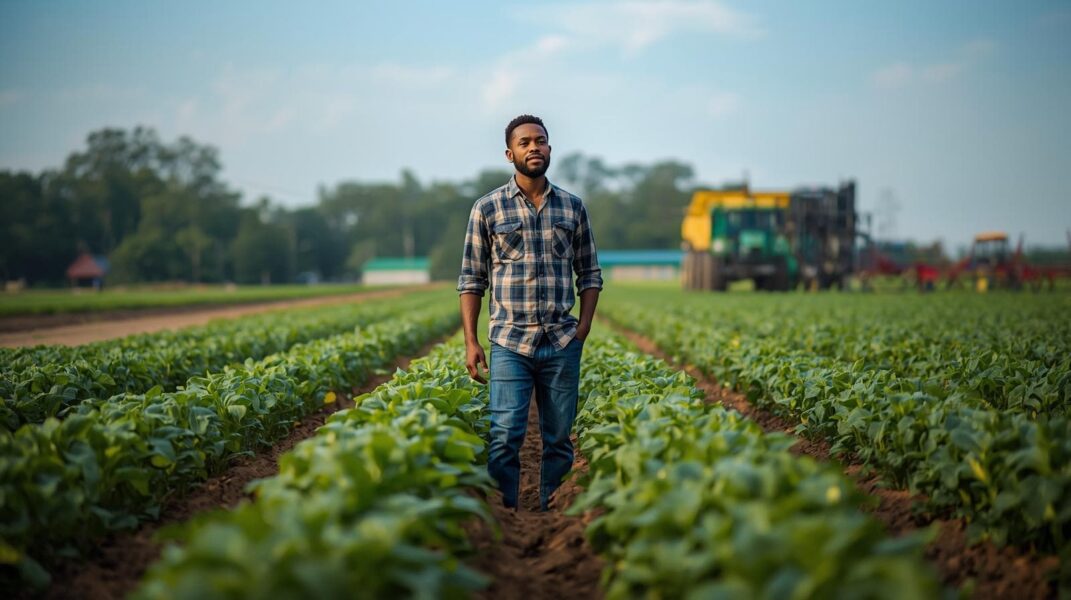
The exodus of young people from agricultural communities represents one of farming’s most pressing challenges. A USDA survey revealed that for every farmer under 35 entering agriculture, three farmers over 65 are retiring. This demographic cliff threatens not just individual farms but the accumulated knowledge and community vitality of rural areas.
The reasons behind this trend are multifaceted but interconnected. Young people increasingly perceive farming as offering limited opportunities for innovation, professional growth, and financial stability. When presented with careers promising technological engagement, creative problem-solving, and potential financial rewards, many choose paths leading away from their agricultural roots.
This perception gap—that farming means choosing tradition over innovation—represents a fundamental misunderstanding about modern agriculture’s trajectory. The reality is that today’s farms increasingly operate as technology-enabled businesses requiring professionals who understand both crop science and data analytics, both soil health and supply chain logistics.
- Financial pressures from volatile commodity markets
- Limited access to land and capital for new farmers
- Perception that agriculture lacks technological innovation
- Desire for work-life balance difficult to achieve in traditional farming
- Educational pathways that lead away from rural communities
The Economic Squeeze on Family Farms
Economic realities have made traditional farming increasingly precarious. The “get big or get out” mentality that dominated agricultural policy for decades has created a system where commodity producers operate on razor-thin margins, vulnerable to weather events, market fluctuations, and rising input costs. For many young people witnessing their parents’ struggle with financial insecurity, pursuing different career paths seems the more rational choice.
The numbers tell a sobering story. According to USDA data, median farm income from farming operations has been negative for many years, with off-farm income keeping many operations afloat. This reality makes it difficult to attract new generations to agriculture without demonstrating viable economic models. Technology integration offers one pathway to improved economics through efficiency gains, premium markets, and diversified revenue streams.
Perception Gap: Agriculture vs. Innovation
The persistent stereotype that farming is technologically backward continues to drive young talent away from agricultural careers. In reality, modern agriculture has become one of the most rapidly innovating sectors, integrating artificial intelligence, robotics, biotechnology, and sophisticated data systems. The perception gap is particularly problematic because it creates a self-fulfilling prophecy—as technology-minded young people leave rural communities, the very innovators who could accelerate agricultural transformation are lost to other industries.
Schools often inadvertently reinforce this divide by tracking students toward either vocational agricultural training or STEM education, rarely highlighting how these fields increasingly overlap. Career counselors rarely present agricultural pathways to students showing aptitude in computer science, engineering, or data analytics, despite growing demand for these skills in the agricultural sector.
Limited Career Growth in Traditional Farming
Beyond economic challenges, traditional farming models often present limited career advancement paths. The conventional progression—from farm worker to manager to owner—depends heavily on land access and capital, both increasingly difficult to obtain. Young people seeking diverse professional experiences, skill development opportunities, and clear advancement trajectories often find traditional agricultural careers lacking in structured growth pathways.
This limitation becomes particularly acute when compared with technology and business sectors that offer varied roles, specialized tracks, and visible advancement opportunities. The integration of technology and sustainable practices opens new professional pathways within agriculture that can compete with these alternative careers, from specialized agronomic consulting to agricultural data science to ecosystem service management.
Sustainable Agriculture Creates New Opportunities
The convergence of sustainability concerns and technological innovation is creating entirely new career opportunities in agriculture. These emerging roles often command premium salaries while delivering meaningful environmental and social impact—exactly what many young professionals seek. The sustainable agriculture sector is growing at more than 12% annually, outpacing conventional agriculture and creating demand for diverse skillsets from soil microbiology to carbon accounting.
This transformation isn’t just about creating jobs—it’s about reimagining what agricultural careers can be. Today’s sustainable farm operations might include positions focused on biodiversity monitoring, water management systems, renewable energy integration, direct consumer marketing, and ecosystem service quantification. These diverse roles attract talent with backgrounds ranging from ecology to engineering, business to biology. For a deeper understanding of the evolution of farming, consider reading this op-ed on modern farming challenges.
“We’re not just growing food anymore—we’re managing complex ecosystems, generating clean energy, sequestering carbon, and creating community gathering spaces. Our farm team includes people with backgrounds in data science, ecology, marketing, and culinary arts. Agriculture has become one of the most interdisciplinary professions imaginable.“
— Maria Rodriguez, Regenerative Farm Manager, Hillside Harmony Farm
Regenerative Farming Practices That Boost Profits
The economic case for regenerative agriculture continues to strengthen as more farmers document their transitions. Practices like cover cropping, rotational grazing, and reduced tillage initially require learning curves and investment, but typically deliver reduced input costs within 2-3 years. Long-term studies show that fully regenerative systems can achieve input cost reductions of 25-50% while maintaining or increasing yields through improved soil function.
Beyond production economics, regenerative practices unlock premium markets and diversification opportunities. Consumers increasingly seek products with verified regenerative attributes, creating price premiums of 10-30% for certified goods. Meanwhile, improved farm biodiversity enables new product offerings—from specialty crops to agritourism experiences—that diversify revenue streams and reduce financial vulnerability to single-commodity market fluctuations.
What makes regenerative agriculture particularly appealing to the next generation is how it repositions farmers as problem-solvers addressing global challenges. Rather than simply producing commodities, regenerative farmers actively restore ecosystems, sequester carbon, enhance water quality, and revitalize rural communities—meaningful outcomes that align with younger generations’ desire for purpose-driven careers.
Technology Integration on Modern Farms
Today’s sustainable farm relies on a technological ecosystem that would have seemed like science fiction a generation ago. Satellite imaging and drone surveys generate multispectral field maps showing plant health variations invisible to the human eye. Soil sensors transmit real-time data on moisture, temperature, and nutrient levels to cloud platforms that integrate weather forecasts to optimize irrigation timing. Equipment guided by sub-inch GPS precision applies inputs exactly where needed, reducing waste and environmental impact.
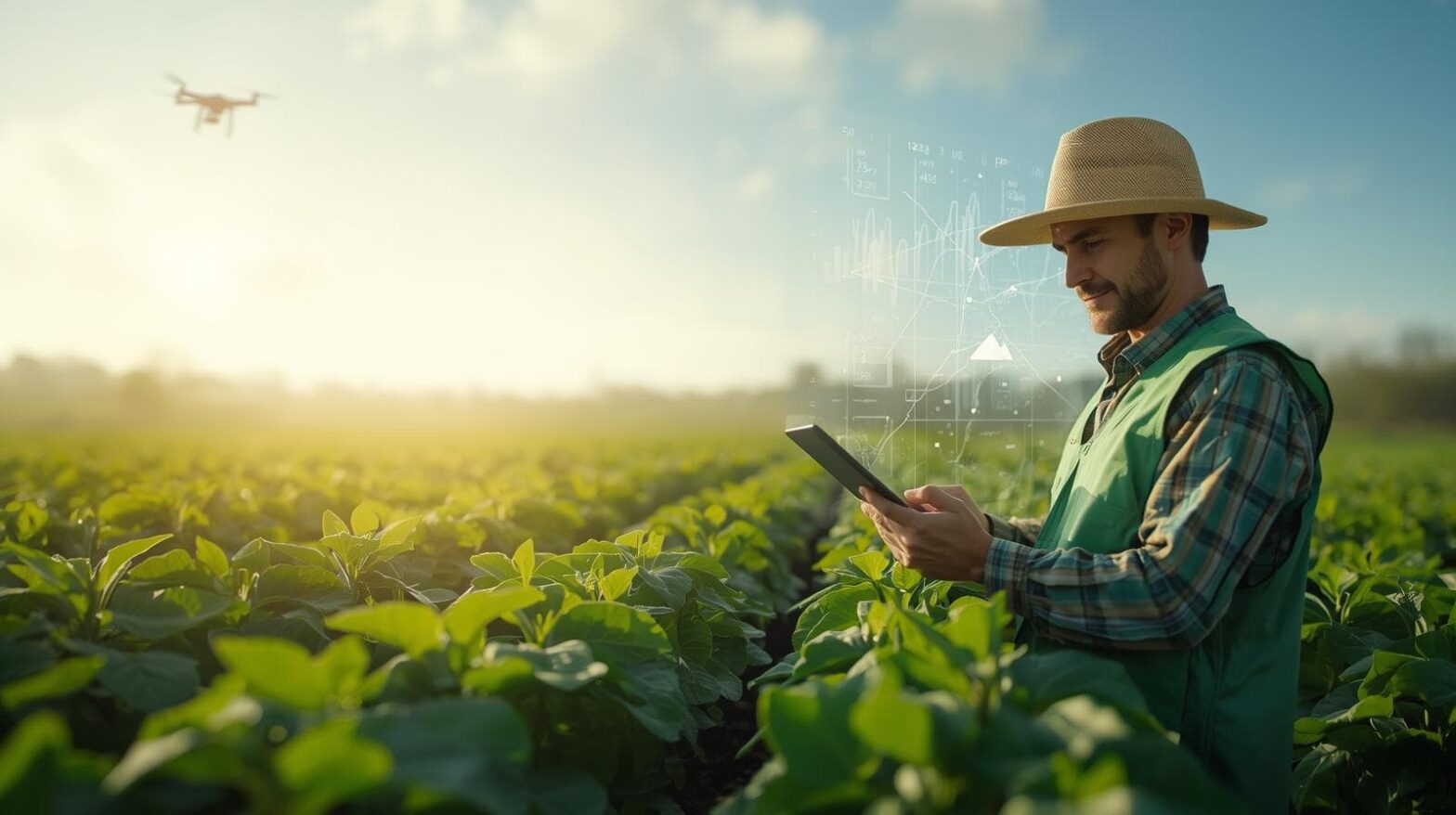
This technological integration creates natural entry points for digitally native generations. Young people who grew up with smartphones, coding, and digital collaboration find their skills directly applicable to modern agricultural systems. The farmer walking fields with a tablet, analyzing real-time data, and programming autonomous equipment embodies how traditional agricultural knowledge now pairs with technological fluency.
What’s particularly powerful about this technological evolution is how it can enhance rather than replace human judgment. The best systems put technology in service of the farmer’s decision-making, providing information previously impossible to gather while leaving ultimate management choices in human hands. This balance—technology augmenting rather than replacing agricultural wisdom—creates space for meaningful work that engages both traditional knowledge and innovative thinking.
New Markets for Sustainable Products
The market landscape for sustainably produced agricultural goods has fundamentally transformed over the past decade. Beyond the established organic sector, new certification frameworks like Regenerative Organic Certified, Land to Market, and Bee Friendly Farming create differentiated product categories commanding significant price premiums. What’s driving this expansion is consumer willingness to pay for verifiable environmental and social attributes—not just the absence of chemicals, but the presence of positive impacts.
Direct-to-consumer marketing channels have simultaneously exploded through digital platforms. Online marketplaces specializing in sustainable and regenerative products have created efficient paths to market that bypass traditional distribution chains where sustainable attributes are often undervalued. These platforms connect environmentally conscious consumers directly with producers, creating price transparency and storytelling opportunities impossible in conventional retail settings.
The business-to-business marketplace is similarly evolving as major food companies establish regenerative agriculture commitments. Companies like General Mills, Danone, and Nestlé have created preferential purchasing programs for farms implementing specific sustainable practices, often with price guarantees and transition support. These corporate programs address one of sustainable agriculture’s historical challenges—stable markets that recognize and reward ecological stewardship.
Carbon Credits and Ecosystem Services
Perhaps the most transformative market development is the emergence of ecosystem service payments that compensate farmers for environmental benefits generated through sustainable practices. Carbon markets now offer payments of $15-45 per ton for verified carbon sequestration through improved agricultural practices. For a mid-sized farm implementing regenerative methods, this can translate to $30-150 per acre annually in supplemental revenue completely separate from commodity production.
Beyond carbon, emerging markets for water quality credits, biodiversity enhancements, and pollinator habitat are creating entirely new revenue streams for agricultural operations. These markets fundamentally reshape farm economics by creating financial recognition for ecological functions previously treated as externalities. A farm with established riparian buffers that filter agricultural runoff can now potentially monetize this water quality benefit through watershed protection payments from downstream utilities or municipalities.
The significance of these ecosystem service markets extends beyond supplemental income. They represent a profound shift in how we conceptualize agricultural value—recognizing farms not just as food production units but as ecosystem managers providing multiple public goods. This expanded valuation aligns perfectly with younger generations’ desire for multidimensional impact through their work.
5 Ways Precision Agriculture Transforms Rural Careers
The integration of technology into sustainable agriculture is creating entirely new career pathways that blend environmental stewardship with technological innovation. These emerging roles often command premium compensation while delivering meaningful impact—precisely what many young professionals seek. The transformation extends far beyond just operating high-tech equipment; it’s creating entirely new professional categories within the agricultural ecosystem.
- New technological roles retain young talent in rural communities
- Integration of traditional knowledge with data science creates unique value
- Remote work capabilities allow rural residents to access global opportunities
- Cross-disciplinary careers satisfy desire for varied work experiences
- Entrepreneurial opportunities emerge from agricultural technology needs
1. Data Analytics Roles in Farm Management
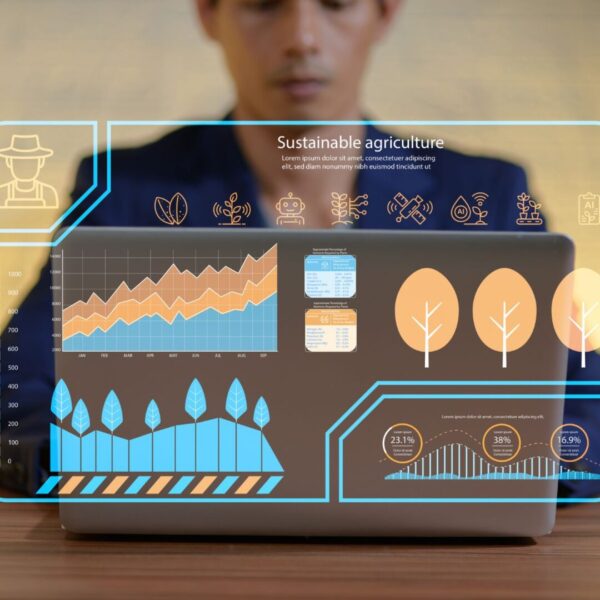
The modern farm generates terabytes of data—from soil sensors, equipment monitors, drone imagery, and satellite feeds. Converting this data deluge into actionable insights requires specialized analytical skills increasingly in demand across agricultural operations. Farm data analysts develop models predicting optimal planting timing, identify early warning signs of pest pressure, and optimize resource allocation across diverse operations.
What makes these roles particularly valuable is how they bridge technological sophistication with practical agricultural knowledge. The most effective farm data specialists understand both algorithm development and how weather patterns affect soil workability. This integration of domains creates career paths unavailable in either pure technology or traditional agricultural settings alone.
2. Drone Technology and Remote Sensing
Agricultural drone operations have evolved from novelty to necessity as farmers recognize the value of aerial perspective in managing large-scale operations. Professional drone pilots specialized in agriculture now command salaries of $50,000-80,000 annually, combining piloting skills with agricultural knowledge to capture actionable intelligence. The role extends beyond simple photography to include multispectral imaging that can detect plant stress before it becomes visible to the human eye.
This career path illustrates the hybrid nature of modern agricultural technology roles. Successful agricultural drone specialists need understanding of flight regulations and equipment operation alongside plant pathology knowledge to interpret what they’re seeing. Many practitioners in this field report particularly high job satisfaction from the combination of technical skill development and tangible agricultural impact.
3. Soil Health and Biodiversity Specialists
The growing recognition of soil as a complex living ecosystem rather than mere growing medium has created demand for specialists who understand its biological dimensions. Soil health consultants utilize advanced testing technologies like DNA sequencing to analyze microbial communities, then develop management recommendations to foster beneficial soil life. These specialists bridge microbiology, agronomy, and data analysis to translate complex biological interactions into practical farm management decisions.
Similar roles are emerging focused on above-ground biodiversity—monitoring pollinator populations, beneficial insects, and overall ecosystem function. These positions utilize technologies like automated insect monitoring systems and habitat mapping software alongside traditional biological knowledge. What’s notable is how technology amplifies rather than replaces field-based observation, creating more impactful roles than either approach alone could offer.
4. Supply Chain Innovations for Local Food
Digital platforms connecting local producers directly with consumers have created entirely new career opportunities in agricultural logistics, marketing, and distribution. These technology-enabled local food systems require specialists who understand both the realities of seasonal production and sophisticated inventory management systems. Roles in this sector bridge traditional food system knowledge with e-commerce expertise, creating positions that would have been unimaginable a generation ago.
What makes these positions particularly attractive to young professionals is how they directly address sustainability challenges through practical solutions. Building efficient regional food distribution networks simultaneously reduces food miles, supports local economies, and connects consumers with seasonal eating patterns. These tangible impacts satisfy the purpose-driven career aspirations common among younger workers. For more insights, you can explore this op-ed on farming and sustainability.
5. AgriTech Entrepreneurship
Perhaps the most transformative career path emerging from agriculture’s technological revolution is entrepreneurship focused on solving agricultural challenges. The global agritech sector attracted over $30 billion in investment in 2020 alone, creating opportunities for innovators to develop solutions from farm management software to specialized equipment for sustainable practices. This entrepreneurial ecosystem offers paths to impact at scale while building equity in growing businesses.
Many successful agricultural entrepreneurs emerge from farming backgrounds, identifying practical challenges through first-hand experience. They combine this agricultural knowledge with technological capabilities to develop solutions with immediate practical application. This grounded innovation approach differs significantly from technology sectors where solutions sometimes seek problems; in agricultural technology, real-world problems drive development priorities.
Newman University’s Agriculture Technology Management
Students gain significant real-world work experience, preparing them for post-graduation success.
Success Stories: Farmers Who Embraced Innovation
| Farm | Challenge | Technology Implemented | Results |
|---|---|---|---|
| Riverview Ranch | Declining soil health, erosion | Precision cover cropping, soil sensors | 35% reduction in inputs, 22% yield increase |
| Hillside Orchard | Water scarcity, labor shortages | Automated irrigation, robotic thinning | 40% water reduction, 30% labor savings |
| Prairie View Farms | Price volatility, thin margins | Direct marketing platform, value-added processing | Revenue increased 85%, profitability doubled |
Third-Generation Farm Revitalized Through Regenerative Practices
The Jensen family farm in Iowa was following the conventional trajectory of many Midwestern operations—growing in size while declining in profitability as input costs rose faster than commodity prices. Third-generation farmer Michael Jensen, returning to the farm after studying environmental science, initiated a five-year transition to regenerative practices supported by precision technology. The transformation began with comprehensive soil mapping and variable-rate lime application to address pH variations across their 800 acres.
Building on this foundation, Jensen implemented a diverse cover crop rotation monitored through drone imagery that identified which species performed best in different field zones. Reduced tillage practices guided by soil temperature sensors allowed earlier planting while maintaining soil structure. After four years, the operation had reduced synthetic fertilizer use by 62% while maintaining corn yields and increasing soybean production by 8%.
What makes Jensen’s story particularly compelling is how technological integration supported rather than replaced ecological principles. “The technology helped us implement regenerative practices with greater precision and confidence,” Jensen explains. “Data from soil probes showed us exactly how cover crops were building organic matter and water retention capacity. This wasn’t about replacing our agricultural knowledge—it was about enhancing it with information we couldn’t gather before.”
Young Farmers Creating Tech-Enabled Cooperatives
In California’s Central Valley, a group of six first-generation farmers, none owning more than 20 acres individually, formed the Sunflower Collaborative—a technology-enabled cooperative that allows them to access markets typically available only to larger operations. The group invested in shared processing equipment with IoT monitoring systems that track produce from harvest through packaging, creating blockchain-verified traceability that commands premium pricing from institutional buyers concerned about food safety and sustainability claims.
By pooling resources to invest in a sophisticated online ordering system with dynamic routing algorithms, the cooperative efficiently delivers to restaurants, schools, and direct consumers throughout their region. This shared technology infrastructure created economies of scale impossible for any member to achieve individually. Most significantly, their cooperative model allowed members to focus on specialized production aligned with their individual interests and land capabilities while presenting a comprehensive product offering to buyers.
The Sunflower Collaborative demonstrates how technology can actually preserve small-scale, diversified farming rather than driving consolidation. “Our technology stack is what makes small-scale farming economically viable in today’s market,” explains cooperative member Sophia Chen. “We’ve created a model where you can farm 15 acres profitably while maintaining ecological practices—the technology handles the marketing, logistics, and compliance documentation that would otherwise be overwhelming for an individual farmer.”

How Education Bridges the Gap
Educational institutions are rapidly evolving to address agriculture’s changing skill requirements. Programs like Agricultural Technology Management at Newman University exemplify this shift, integrating three core domains: agricultural science, business principles, and emerging technologies. These cross-disciplinary programs prepare graduates who understand both how food is produced and how agricultural enterprises operate profitably through technology integration.
The most innovative educational approaches embed technology throughout the agricultural curriculum rather than treating it as a separate specialization. Students simultaneously learn soil science principles and how to analyze soil sensor data; they study plant pathology alongside drone-based disease detection. This integrated approach reflects the reality of modern agricultural operations where ecological knowledge and technological fluency are equally essential.
Beyond formal degree programs, continuous learning opportunities through extension services, online platforms, and manufacturer training have become essential to agricultural success. The rapid pace of technological evolution means that even recent graduates must continuously update their knowledge. The most successful practitioners develop learning networks that connect them with both traditional agricultural wisdom and emerging technological capabilities.
Specialized Programs in Sustainable Agribusiness
Specialized educational programs focused specifically on sustainable agribusiness are emerging to meet growing industry demand. These programs differ from traditional agriculture degrees by emphasizing data-driven decision making, environmental economics, and technology integration throughout the curriculum. Students learn to calculate not just conventional profit margins but comprehensive triple-bottom-line accounting that quantifies environmental and social impacts alongside financial returns.
What distinguishes these programs is their interdisciplinary approach. A typical student might take courses in soil microbiology, carbon accounting, data analytics, and agricultural policy—building connections between domains traditionally taught in isolation. This integrated knowledge prepares graduates to develop agricultural systems that simultaneously optimize ecological, social, and financial outcomes through technology-enabled management.
Online Learning While Managing Farm Operations
The proliferation of high-quality online learning opportunities has been particularly significant for working farmers seeking to integrate new practices and technologies. Platforms offering specialized micro-credentials in precision agriculture, regenerative systems, and agricultural data analysis allow practitioners to build targeted skills while continuing daily operations. This flexible approach overcomes historical barriers to agricultural education that required physical presence at institutions often distant from farming operations.
What makes these digital learning platforms particularly effective is their ability to create communities of practice where farmers implement similar approaches across diverse geographies. A producer in Minnesota can compare notes with counterparts in Montana and Michigan all implementing similar cover cropping systems but under different conditions. These learning communities accelerate innovation by rapidly sharing outcomes across distributed networks of practitioners.
Financial Support for Sustainable Transitions
The transition toward technology-enabled sustainable agriculture typically requires significant investment—in equipment, education, and the inevitable learning curve of implementing new systems. Recognizing these challenges, numerous financial support mechanisms have emerged specifically designed to support farmers through this transition period. These range from government programs to impact investment funds to community-based financing models, all recognizing the public and private benefits of agricultural transformation.
What distinguishes the most effective financial support programs is their recognition of transition timeframes. While conventional agricultural financing often operates on annual cycles aligned with production seasons, sustainable transition support typically spans 3-5 years to account for soil building timeframes and the gradual optimization of new practices. This patient capital approach acknowledges the biological reality that sustainable systems build value progressively rather than immediately.
Beyond pure financial support, the most impactful programs integrate technical assistance alongside capital. This comprehensive approach addresses both the financial barriers to transition and the knowledge gaps that might otherwise limit success. Farmers report that this integrated support substantially reduces the risk of implementing new systems while accelerating the learning process.
- USDA Conservation Innovation Grants
- Sustainable Agriculture Research and Education (SARE) farmer grants
- Rural Energy for America Program (REAP)
- Transition to Organic certification cost-share
- State-level soil health and carbon sequestration incentives
- Private accelerator programs for regenerative agriculture
USDA Programs for New Farmers
The USDA has substantially expanded support for beginning farmers implementing sustainable practices through programs like the Beginning Farmer and Rancher Development Program and the Environmental Quality Incentives Program (EQIP). These initiatives provide both financial assistance and technical support specifically designed to help new entrants establish viable operations. EQIP, for instance, offers higher payment rates to beginning farmers implementing conservation practices like cover cropping, rotational grazing, and efficient irrigation systems.
What makes these programs particularly valuable is their focus on supporting farmers during the critical establishment phase when operations are most vulnerable. By offsetting implementation costs for practices that may take several years to deliver full economic returns, these programs effectively bridge the financial gap until ecological improvements translate into economic advantages. Many successful young farmers credit these programs with making their operations viable during initial years when conventional financing alone would have been insufficient.
Private Investment in Sustainable Agriculture
A rapidly growing ecosystem of private investment specifically targeting sustainable agriculture has emerged over the past decade. Impact investment funds focusing on regenerative agriculture have raised hundreds of millions of dollars to support farm transitions through innovative financing mechanisms. These range from revenue-based financing tied to harvest outcomes to land access programs that allow gradual equity building for farmers without requiring large initial capital outlays.
What distinguishes these investment vehicles from conventional agricultural finance is their explicit recognition of environmental and social returns alongside financial performance. Rather than treating ecological improvements as externalities, these investors actively value and sometimes monetize environmental benefits through carbon markets, ecosystem service payments, or premium product positioning. This comprehensive valuation makes sustainable practices economically attractive even before their full production benefits materialize.
“We’ve moved beyond the false choice between environmental sustainability and economic viability. Our investment thesis explicitly recognizes that the most profitable agricultural systems over the coming decades will be those that build rather than deplete natural capital. We’re not sacrificing returns by focusing on sustainability—we’re securing them.”
— David Thompson, Managing Partner, Regenerative Agriculture Partners
Community Financing Models
Some of the most innovative agricultural financing approaches operate at community scale, directly connecting consumers with local food producers through financial relationships. Community Supported Agriculture (CSA) models have evolved beyond simple seasonal subscriptions to include member loan programs where consumers provide capital for farm improvements in exchange for future product credits. These arrangements provide farmers with patient capital from stakeholders who value both food quality and ecological stewardship.
More formalized community investment vehicles like Slow Money groups and Direct Public Offerings (DPOs) enable community members to make direct investments in local agricultural enterprises. Unlike conventional investors focused primarily on financial returns, these community investors typically accept lower monetary returns in exchange for local economic resilience, environmental benefits, and food system transformation. This patient, values-aligned capital proves particularly well-suited to sustainable agriculture’s longer-term return horizons.
Building Your Farm’s Future Today
The integration of traditional agricultural wisdom with technological innovation offers a pathway to farms that are simultaneously more productive, more profitable, and more ecologically sound. This isn’t about choosing between the farm and the future—it’s about harnessing the best of both worlds to create agricultural systems that can thrive for generations to come. By embracing this integrated approach, we can address the interconnected challenges of climate change, food security, and rural economic vitality while creating fulfilling careers for the next generation of agricultural innovators.
Frequently Asked Questions
How long does it take to transition to sustainable farming practices?
The transition timeline varies depending on current conditions and specific practices being implemented. Most farmers report noticeable soil health improvements within 2-3 years of implementing practices like cover cropping and reduced tillage. Economic benefits typically follow a similar pattern—initial implementation costs during years 1-2, followed by decreasing input requirements in years 3-5 as ecological functions strengthen. Full biological transition, particularly for systems with severe historical degradation, may require 5-7 years to reach optimal function.
What significantly impacts transition timeframes is the implementation approach. Farms making gradual, incremental changes often experience smoother transitions with less financial disruption but longer timeframes to complete system transformation. Operations implementing comprehensive changes across multiple practices simultaneously may face steeper learning curves and financial challenges initially but often reach stabilized regenerative systems more quickly.
The most successful transitions typically balance these approaches—implementing certain practices across the entire operation while testing more significant changes on smaller acreage before expanding. This balanced approach manages risk while maintaining momentum toward full system transformation.
What’s the minimum acreage needed to make sustainable farming profitable?
Sustainable farming systems can be profitable at virtually any scale when appropriately designed for their context. While conventional commodity production typically requires substantial acreage to generate viable returns, diversified sustainable operations often thrive on smaller land bases through higher-value products, reduced input costs, and diverse revenue streams. Operations under 10 acres utilizing intensive production methods, direct marketing, and value-added processing regularly generate $50,000-$100,000+ per acre in gross revenue with net margins of 30-40% when well-established.
Can sustainable practices work in all geographic regions?
Sustainable agricultural principles apply universally, but specific implementation strategies must be adapted to local conditions. The fundamental approaches—building soil organic matter, enhancing biodiversity, minimizing disturbance, maintaining living roots year-round, and integrating livestock where appropriate—work across climate zones but require region-specific applications. Successful practitioners in every agricultural region from arid rangelands to tropical systems have demonstrated that locally-adapted sustainable approaches outperform conventional methods in both resilience and long-term productivity.
What varies significantly across regions is the specific practice portfolio and transition timeline. Areas with longer growing seasons and higher rainfall typically support faster biological transitions, while arid regions may require longer timeframes for measurable changes in soil health and system function. Technology plays a crucial role in regional adaptation by providing precise monitoring of system responses to management changes under specific conditions.
How do I find markets for sustainably produced goods?
The market landscape for sustainably produced agricultural products has expanded dramatically over the past decade, creating multiple pathways to consumers who value ecological stewardship. Direct-to-consumer channels through farmers markets, CSA programs, and online platforms offer the highest margins and strongest producer-consumer relationships. Regional food hubs and values-aligned distributors provide intermediate options that balance direct relationships with broader market access. National certification programs like Organic, Regenerative Organic, and Land to Market create market differentiation through conventional retail channels.
What technology investments offer the best return for small family farms?
For small to mid-sized operations, the highest-return technology investments typically enhance marketing capabilities, reduce labor requirements for repetitive tasks, and provide actionable monitoring data. Direct marketing platforms that streamline order management, delivery logistics, and customer communication frequently deliver returns within months through improved efficiency and sales expansion. Simple monitoring systems like soil moisture sensors that prevent irrigation mistakes or weather stations that optimize timing of field operations typically pay for themselves within 1-2 growing seasons.
Scale-appropriate mechanization that reduces labor bottlenecks during critical periods represents another high-return category for smaller operations. Equipment specifically designed for diversified, smaller-scale production—like quick-change cultivation tools, small-scale washing and packing systems, or appropriate-scale harvesting equipment—can transform enterprise economics by addressing key operational constraints.
When evaluating technology investments, successful small farms focus on specific operational challenges rather than adopting technology for its own sake. The most impactful investments address clear bottlenecks or opportunities within the current operation, have manageable learning curves, and integrate well with existing systems rather than requiring wholesale operational changes.
EcoFarm Solutions continues to support farmers in finding this perfect balance between tradition and technology, helping agricultural communities thrive through sustainable practices enhanced by appropriate technological tools.
Newman University’s Agriculture Technology Management
Students gain significant real-world work experience, preparing them for post-graduation success.