For many students, the path to social work begins with a simple desire to be the person someone else needs.
That was the case for both Yelando Johnson and Vanessa Rials, leaders in the Master of Social Work (MSW) program at Newman University.
Johnson, Ed.D., LMSW, MBA, is the director of Newman’s Master of Social Work program and an associate professor and division chair for social work. She originally went into nursing but realized she didn’t like chemistry or human anatomy.
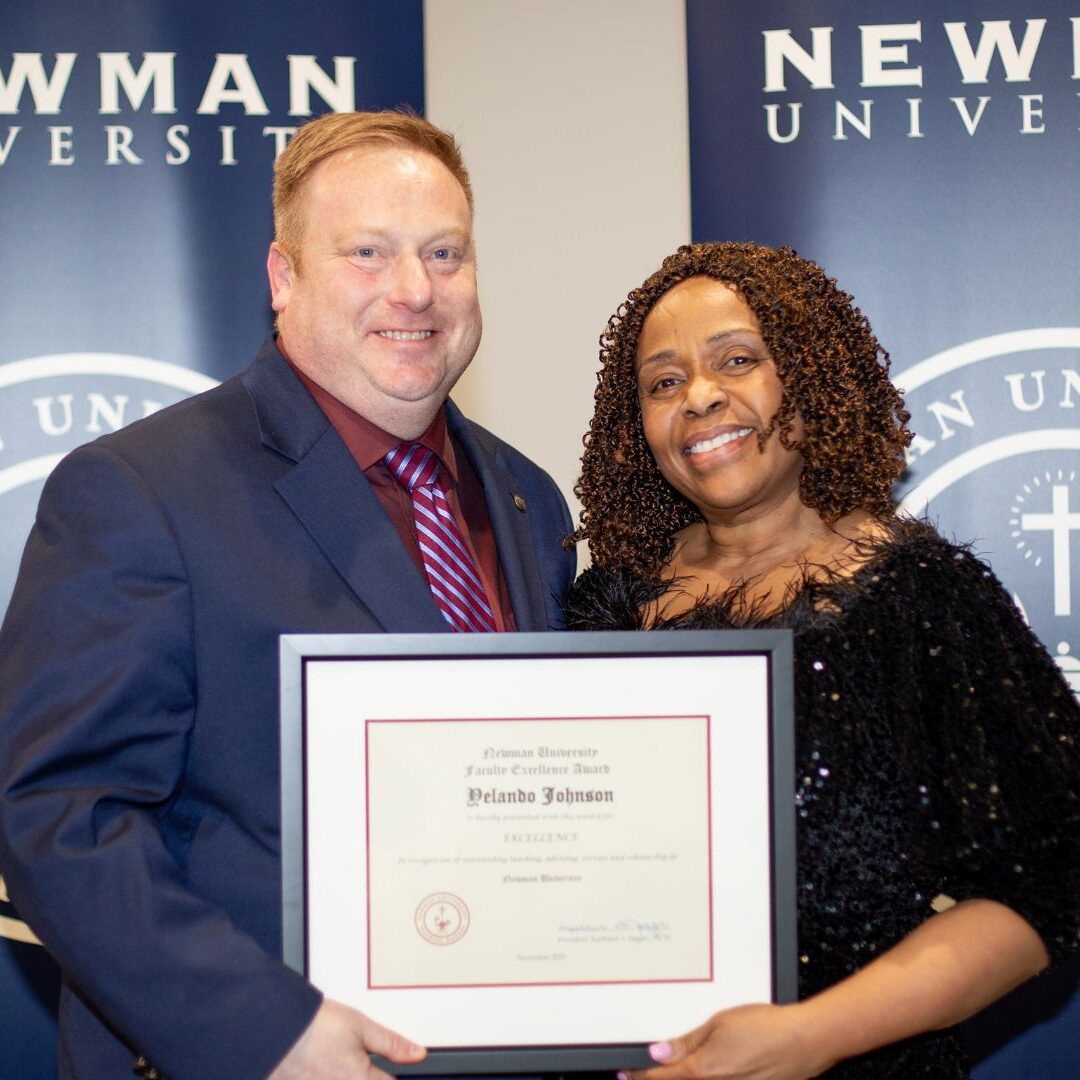
“I went to my advisor and said, ‘I really like helping people, but I don’t think nursing is for me,” Johnson recalled.
That advisor suggested she try an Introduction to Social Work course — and Johnson was hooked.
Rials, director of field education for the MSW program, had a similar experience. After exploring education and psychology, she found herself drawn to the same introductory course.
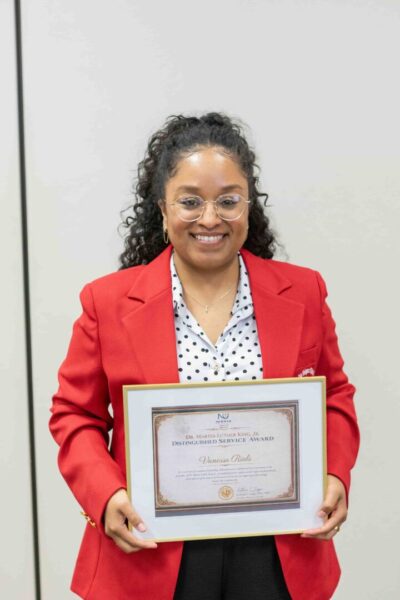
“I was that friend people would bring their issues to,” she said. “And I realized I didn’t want to teach. So I took an intro to social work class and thought — this is it.”
That sense of calling — of stepping into something bigger than yourself — runs through Newman’s MSW program, shaping both its curriculum and its students.
A field without limits
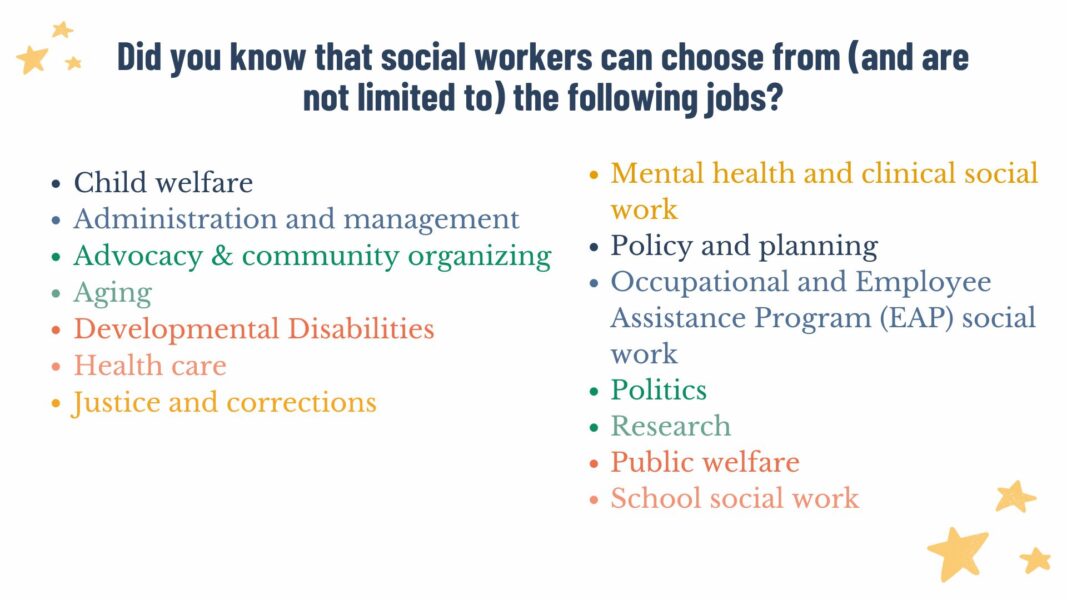
Social work is often misunderstood, reduced to outdated stereotypes. But as Johnson and Rials emphasize, the profession is far broader and more essential than many realize.
“People think social workers just go into homes and take children,” Johnson said. “But we’re everywhere.”
Hospitals. Schools. Courtrooms. Nonprofits. Police departments. Policy offices. Leadership roles.
“We both have social work degrees,” Rials added. “You’re a department chair. I’m a director.”

Social workers are leading, advocating and creating change in so many spaces.
That versatility is a defining strength of the MSW program. Students can pursue specialized tracks, including clinical practice, administration and school social work, while building a foundation rooted in advocacy, ethics and human connection.
For students like Zion Fewin ’25, that flexibility has been key.
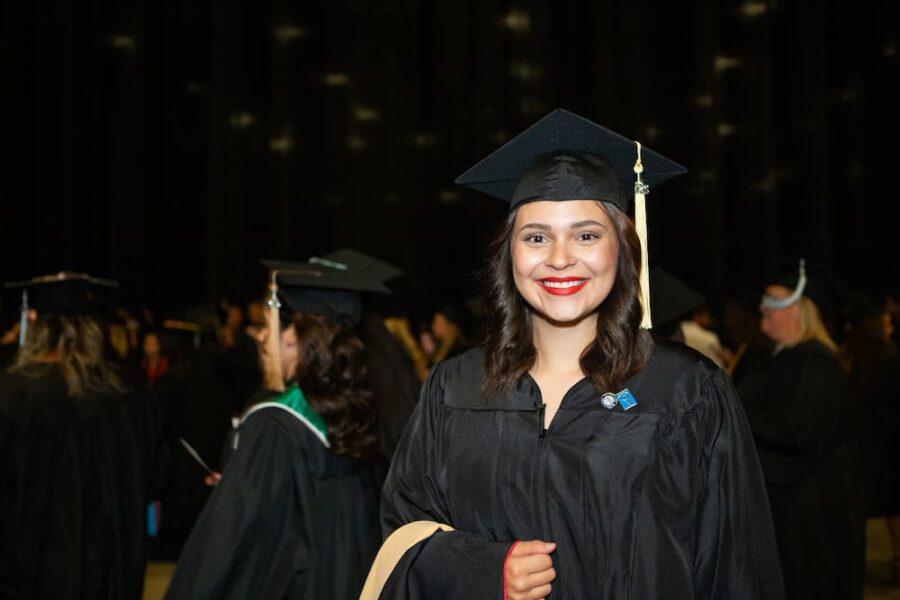
“I just love to help people,” she said. “Therapy is definitely an interest of mine, especially working with children and families, but there are so many ways to serve.”
Fewin’s experience reflects the breadth of the field. Her practicums ranged from school social work to clinical settings, ultimately leading to her current role at Thrive Therapy of Kansas, where she supports patients with brain injuries across the state.
Learning by doing
At the heart of Newman’s program is hands-on experience. Practicums — often 16 to 20 hours per week — allow students to apply what they learn in real-world settings.
For Abbigale Finlayson ’25, that experience aligned seamlessly with her career.
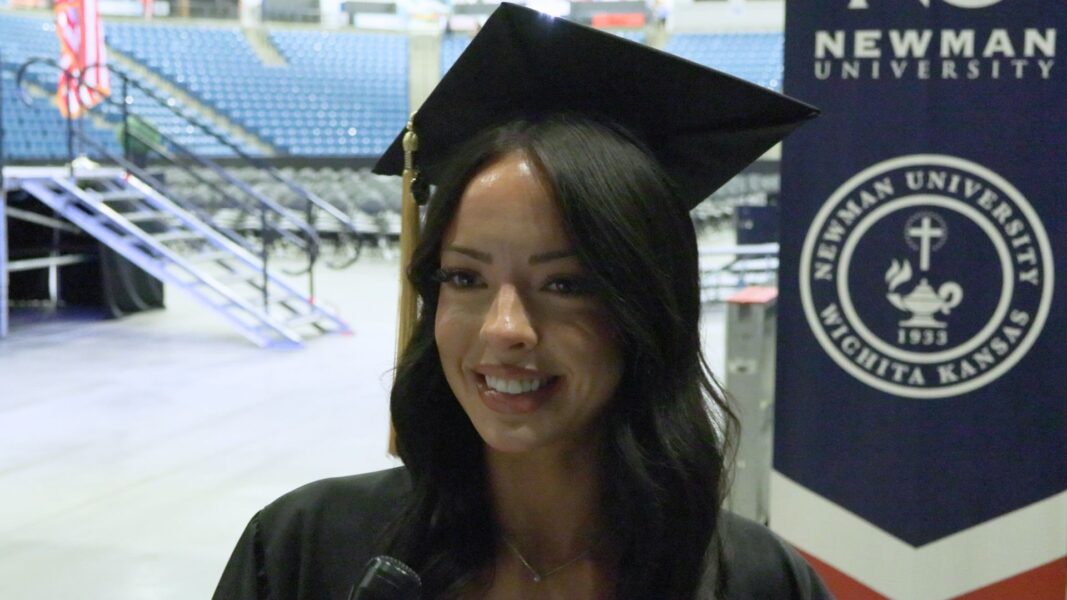
“I actually completed my practicum through my job,” said Finlayson, a school counselor. “Vanessa worked with my school and my administration. It was a great connection from the start.”
That kind of flexibility is intentional. The program offers paid practicums, stipends and even opportunities for students to complete placements within their current workplaces.
“We recognize students have lives, families, bills,” Rials said. “So we work really hard to find paid placements or employment-based practicums so they don’t have to choose between school and stability.”
Programs like the Bishop Gerber stipend, which offers financial support each semester, helps make that possible, especially for nontraditional students balancing multiple responsibilities.
A trauma-informed approach
One of the program’s distinguishing features is its emphasis on trauma-informed practice — a framework increasingly recognized as essential across industries.
“Everywhere there’s trauma,” Johnson said. “In schools, in hospitals, in families. Social workers are trained to recognize it, respond to it and help people heal.”
That training gives graduates a distinct advantage, particularly in mental health settings.
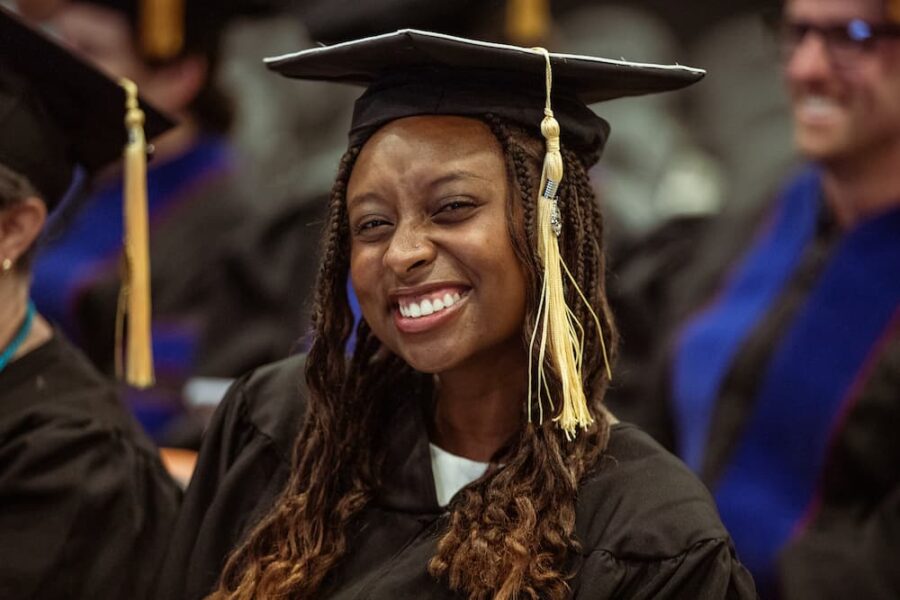
“I’ve seen how valuable it is,” said Laila Robinson ’25, who plans to enter the therapy field. “A lot of the clients I’ve worked with have trauma backgrounds. Being trauma-informed has helped me help them — and that’s all I want to do.”
Robinson also noted that the program’s smaller class sizes allow for deeper learning and connection.
“I got to know my classmates and professors on a much deeper level,” she said. “Hearing about their real-world experiences made everything more applied and meaningful.”
Built for real life
Flexibility is another hallmark of the program. Students can choose online, in-person or hybrid formats, often blending all three.
For many, that adaptability makes earning a graduate degree possible.
Fewin, for example, balanced coursework with major life changes, including marriage and the birth of her son just as her final year began.
“Finishing graduate school with a newborn is hard,” she said. “But it’s about showing my family — and my son — that no matter what life throws at you, you can do it.”
That supportive environment is something students consistently point to.
“We’re very family-oriented and close-knit,” Fewin said. “Our professors give grace, good advice and are always there to listen.”
Our professors give grace, good advice and are always there to listen.
Zion Fewin, 2025 Master of Social Work graduate
Finlayson echoed that sentiment, even as an online student.
“It was very personalized, even though it was online,” she said. “My experience with my professors has been better than any other I’ve had.”
Preparing for what comes next
Beyond coursework and practicum experience, the program is evolving to better prepare students for licensure.
A new course focused on professional ethics and licensing exam preparation introduces students to the process early, helping reduce anxiety and improve outcomes.
“We want students thinking about licensure from the beginning,” Johnson said. “Not just when they’re about to graduate.”
That forward-thinking approach reflects a broader commitment: equipping students not just to enter the field, but to lead within it.
A profession and a purpose
Social work continues to grow, with increasing demand across the country and greater recognition of its impact.
But for those in the field, the motivation remains deeply personal.
“If you want to make a difference, if you want to help people in their most vulnerable moments, this is the profession for you,” Rials said.
Fewin sees it as a calling rooted in service.
“I just want people to know they are loved,” she said. “That it’s okay to not be okay.”
Or, as Johnson put it simply: “We’re change agents.”
Earn a master’s in social work
The Newman University MSW program is intentionally designed to prepare a trauma-responsive behavioral health workforce equipped to serve individuals, families and communities experiencing complex and chronic trauma.