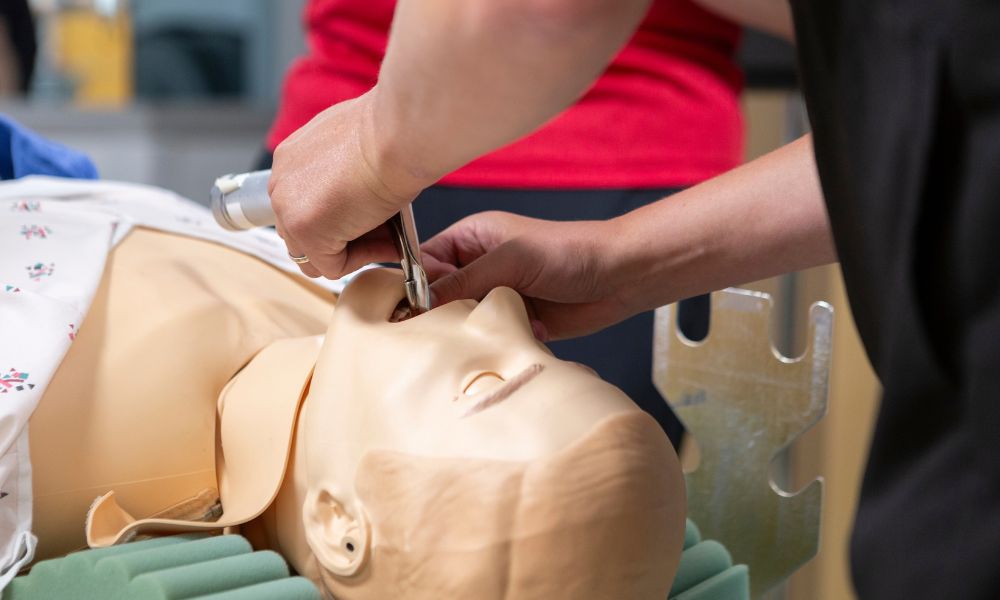
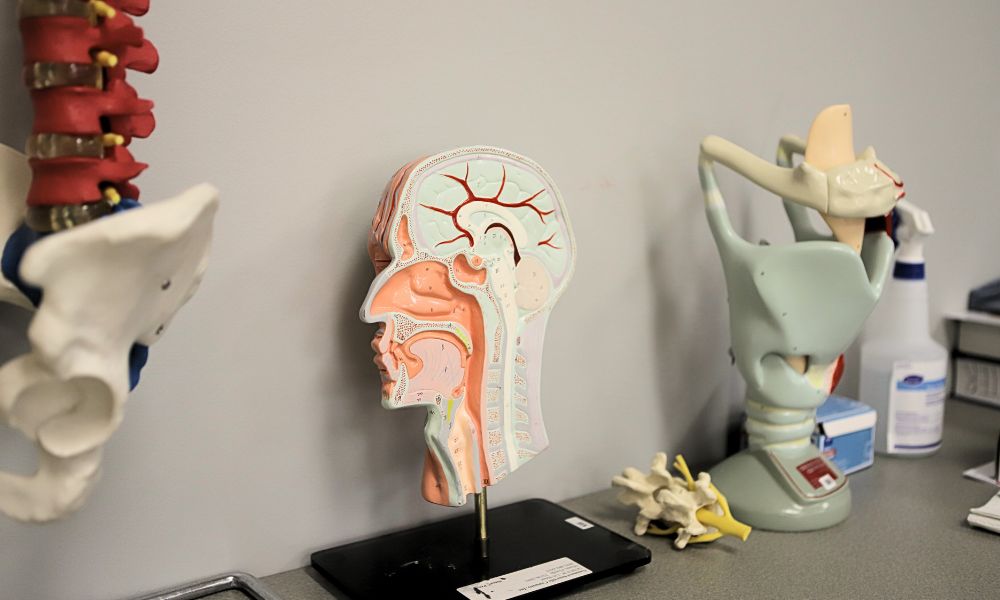
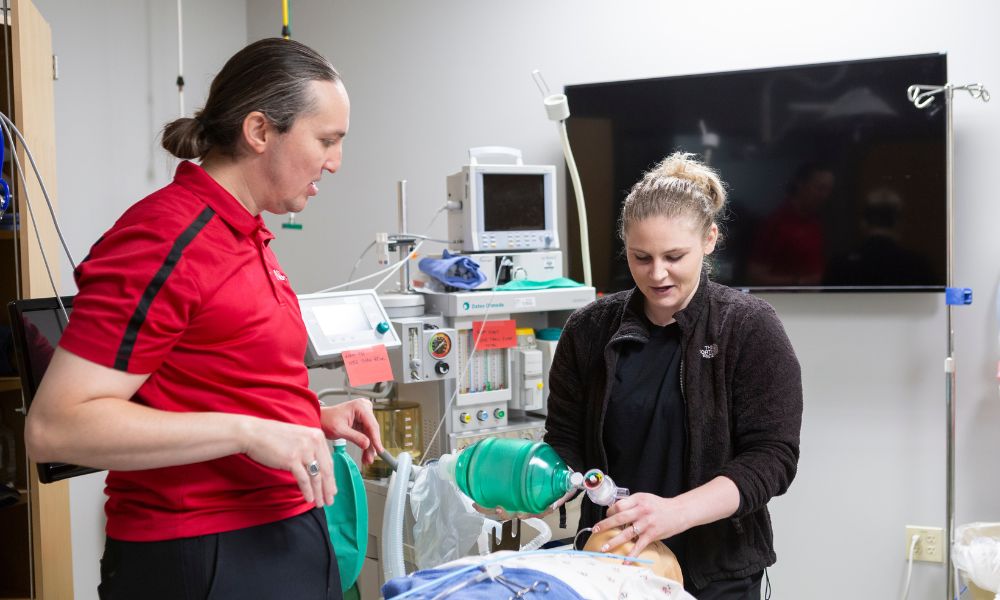
The Doctor of Nurse Anesthesia Practice (DNAP) program at Newman University — designed for baccalaureate-prepared registered nurses who wish to become certified registered nurse anesthetists — continues to evolve by incorporating student feedback to improve the overall program experience.
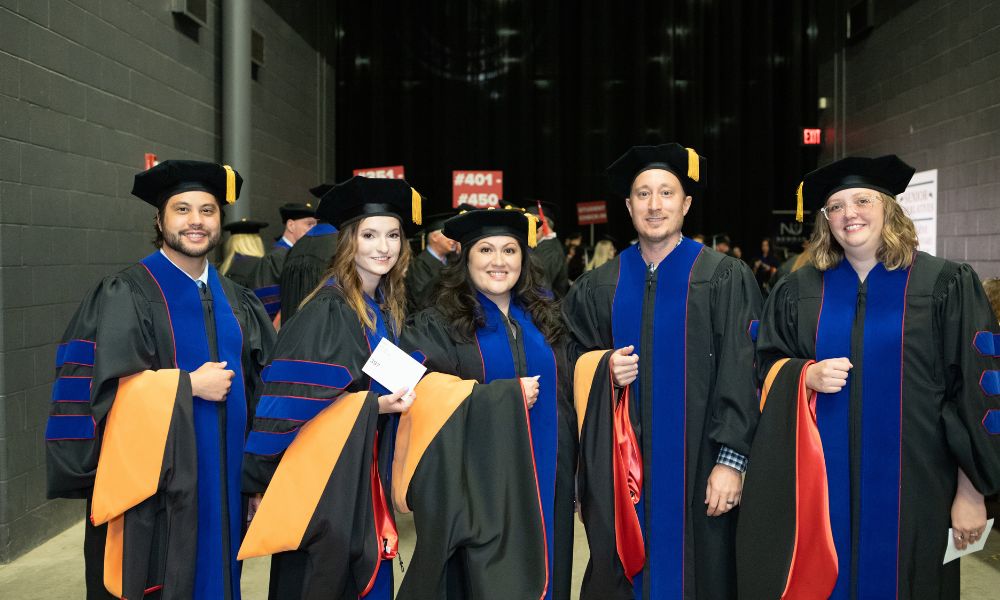
In May 2025, the program celebrated a milestone with the graduation of its first cohort of 19 students.
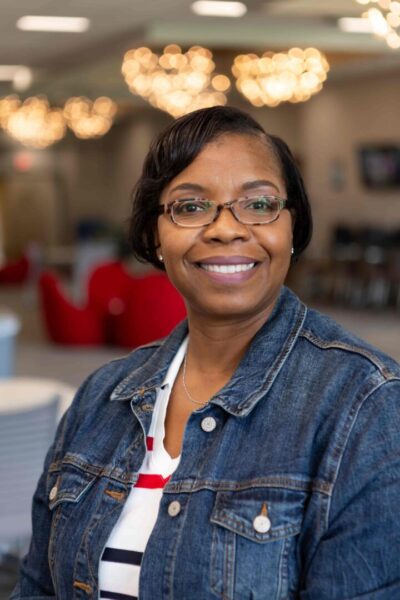
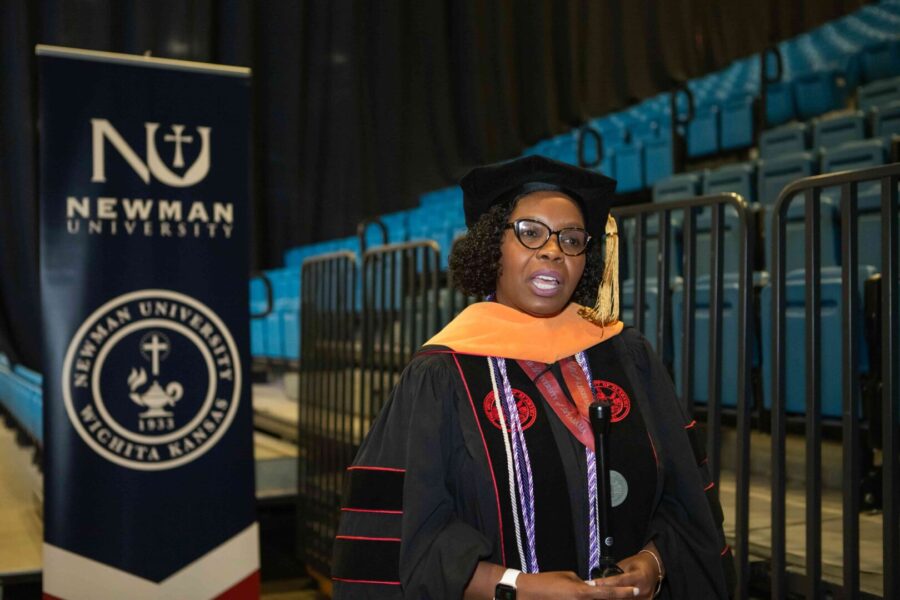
“It’s definitely not something I take lightly,” Kimyatta Brent, program administrator of the DNAP program, said at commencement. “I think it’s been a great way to pay it forward to my profession — a profession I hold near and dear to my heart.”
Advocacy and student feedback
As the inaugural cohort, Brent noted, the students faced unique challenges as the program launched. Faculty emphasized flexibility, communication and listening closely to student concerns throughout the process.
“Because they didn’t know me and I didn’t know them,” she said. “We had to adjust and adapt to one another, but I think through it all, they knew that no matter what, I was their advocate. I was always cheering and there for them.”
In return, Brent said the students provided honest and detailed feedback — from what was working to how courses were aligned and scheduled.
“We were really intentional based upon a lot of the feedback we received from them,” Brent said. “They were instrumental in how the program has been shaped and how we’re going to continue to forge forward.”
By the third semester, Brent said the program found its rhythm and began moving forward with greater confidence.
“Again, they didn’t know me, and I didn’t know them,” she said. “I wasn’t the person they started with, and that can be hard, because the people who promised to see you through to the end of this journey are no longer there. Then here comes some new person who’s just happy to be here and share the world of nurse anesthesia, and it’s like, ‘Who are you, and what do you stand for?’ So if nothing else, I think just learning about each other and being transparent has helped us along the way.”
Newman DNAP’s optimistic future
With the first cohort now graduated, Brent said she is optimistic about the impact these new clinicians will have on the profession.
“They’re getting some of the most excited, well-prepared clinicians we’ve seen in a while,” she said. “I’m excited about them and excited for them — their passion and drive, their ability to adjust, their resiliency and grit to say, ‘You know what? We’re persevering. We’re going to succeed.’ I think they’re well-rounded practitioners, which is huge, especially for independent practice, should they choose to go that route. They’ll be able to rise to any occasion.”
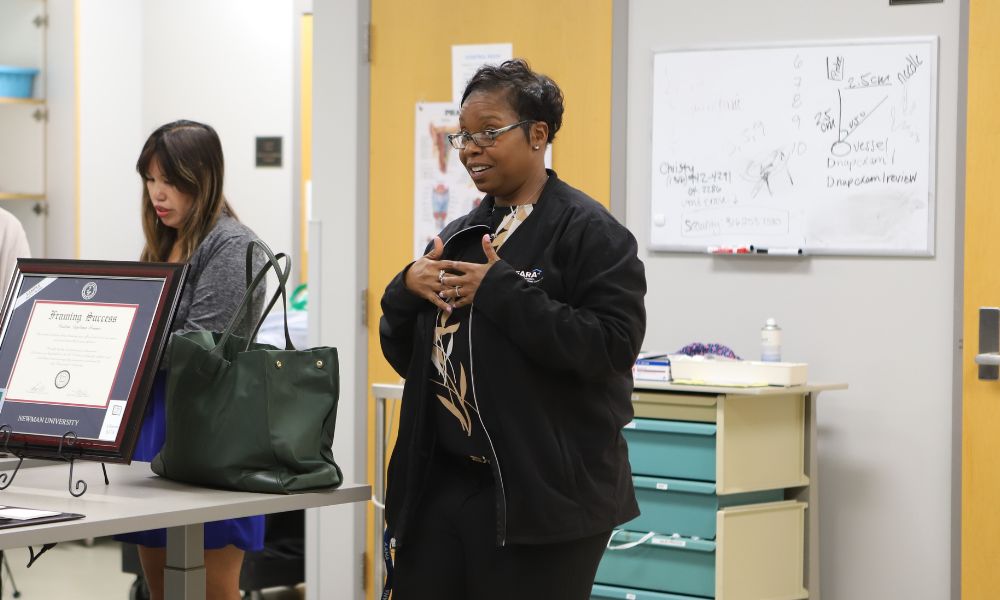
Brent also noted the broader shift from a master’s-level program to a doctoral model, which added an additional year to the program.
“We’re taking into account evidence-based practice, which is the foundation of how we structure our practice and our standards,” she said. “Our students truly are at the forefront of medicine.”
Twin brothers take on DNAP
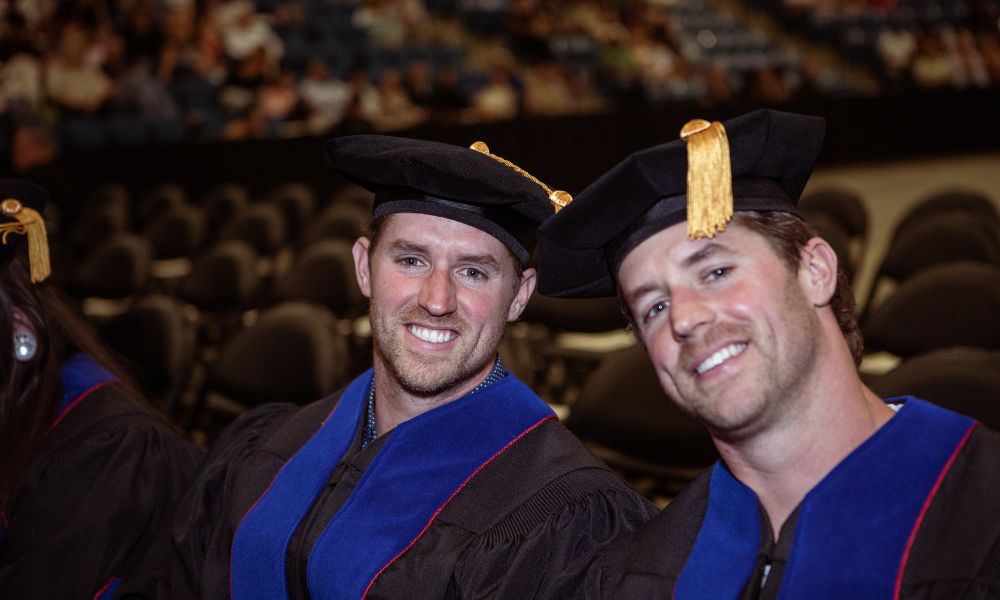
Among the May 2025 graduates were twin brothers Blake and Lucas Rawles from Oklahoma City.
The brothers earned undergraduate degrees in medical humanities from Baylor University before completing a fast-track nursing program at Oklahoma City University. Both then worked as registered nurses prior to enrolling in the DNAP program — Blake in the trauma ICU at OU Medical Center in Oklahoma City and Lucas in a cardiac center.
Why pursue a DNAP?
“I think for us it’s probably a little bit different considering that we’re twins, so everything’s a competition with us, so it’s always who’s going to be a better anesthesia provider,” joked Blake. “It’s been like that since day one. But I really felt like the students in our class were very special. We’re very close-knit together, so it always drove us to be the best that we could be anesthesia-wise.”
Lucas said one of the program’s strengths was its small class size.
“You get to know teachers really, really well,” he shared. “They’re always willing to help you out and get to know you on a personal level.”
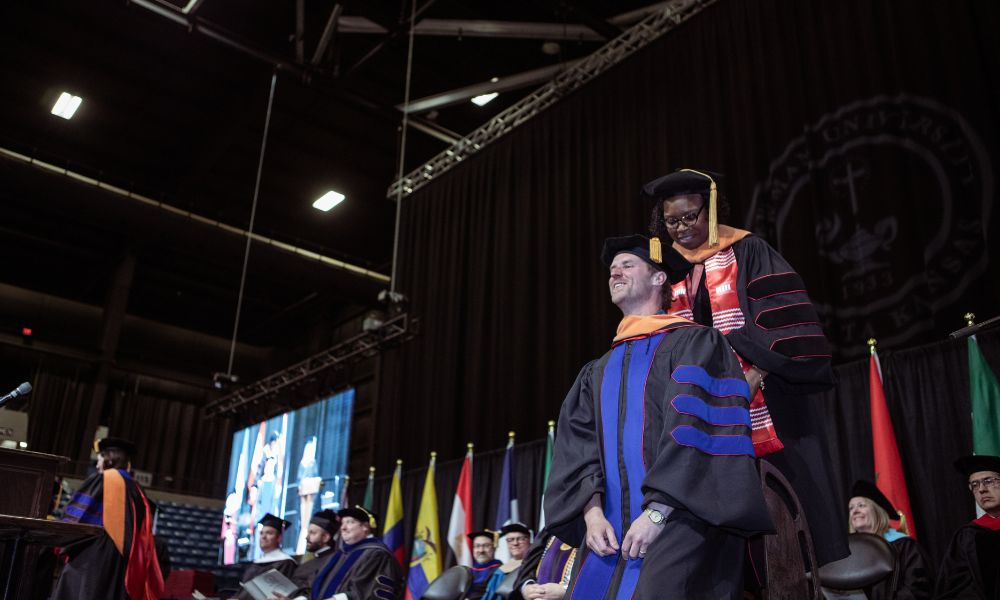
Lucas also said earning a doctorate positions graduates for future leadership within the profession.
“Getting a doctorate kind of opens the doors for us to experience different fields of nursing, but also if we ever wanted to get into the academic world and teach students the wisdom that we’ve earned along the way, we can do that,” Blake added. “Luckily for us, our father is in nurse anesthesia at McBride Orthopedic Hospital in Oklahoma City. We are going to go work with him, which is a dream come true. The fact that he led us through this path and now we get to work together is a dream come true.”
A profession worth the stakes
Elise Lake, a Wichita native, was also part of the inaugural DNAP cohort. She began her career as a registered nurse working in an ICU at Wesley and shadowed a nurse anesthetist during her undergraduate studies, which sparked her interest in the field.
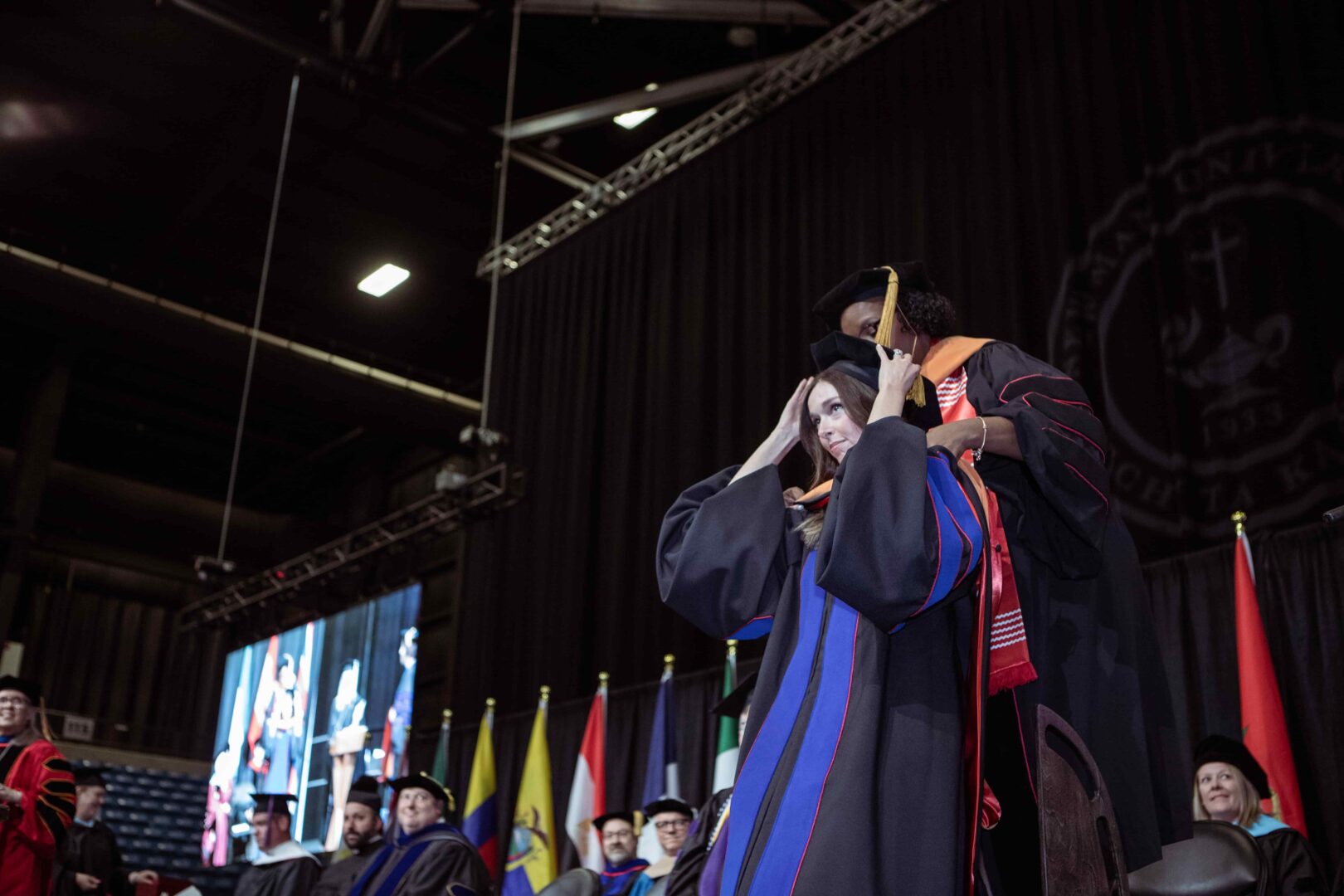
“The program was very rigorous, but I feel like I’ve grown a lot, not only as a clinician, but as a person as well,” she said. “As an anesthetist, your patient is placing their life in your hands. They’re in their most vulnerable state, and you’re responsible for protecting them and ensuring that they’re going to come out of their anesthetic the way they went into it. I think that’s a great privilege and a great honor.”
Lake said she feels prepared to begin her career following Newman’s DNAP program.
“I’m nervous, of course, but I think it’s important to stay humble and always go in with the mindset that there’s always something new you can learn every day,” she said. “You can never know it all.”
Doctor of Nurse Anesthesia Practice
The Doctor of Nurse Anesthesia Practice (DNAP) program at Newman University has been designed for the baccalaureate-prepared registered nurse who wishes to become a certified registered nurse anesthetist.